


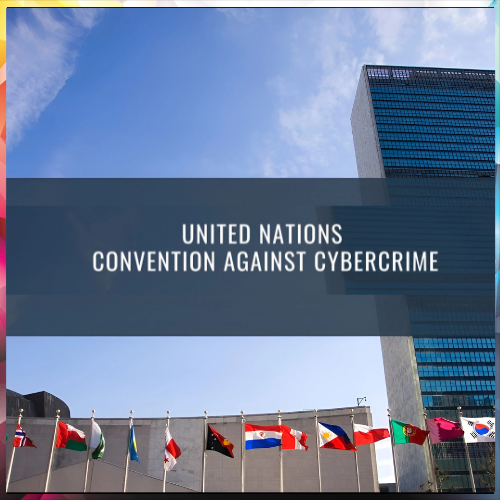
The new convention aims to standardize laws, enhance cooperation, and strengthen cyber resilience worldwide
In a landmark step toward building a unified front against online crime, 72 countries have signed the United Nations Convention against Cybercrime in Hanoi, creating the first globally binding legal framework dedicated to combating cyber threats. Adopted by the UN General Assembly in 2024 after five years of negotiations, the convention establishes international standards for addressing offences ranging from ransomware and data theft to child exploitation and the non-consensual sharing of intimate images.
A global blueprint for cyber governance
The treaty’s primary goal is to promote global coordination in combating cybercrime by harmonising national laws and enabling cross-border cooperation. It mandates the establishment of legal definitions for cyber offences, facilitates electronic evidence sharing, and introduces a 24/7 contact network to assist real-time investigations. The framework also prioritises capacity building for developing countries, ensuring equitable participation in digital security enforcement.
Under the new convention, cybercrimes are classified into three key categories:
· Cyber-Dependent Crimes, such as hacking, data interference, and illegal system intrusions
· Cyber-Enabled Crimes, including financial fraud and online dissemination of intimate images
· Child Exploitation and Abuse, covering online grooming, solicitation, and distribution of child abuse material
Enforcement and global impact
The treaty will become legally binding 90 days after the 40th ratification, a milestone expected soon given the strong initial support. Once in force, the Conference of the States Parties will oversee implementation, monitor compliance, and enhance international cooperation through periodic reviews. The UN Office on Drugs and Crime (UNODC) will act as the secretariat to coordinate enforcement and technical assistance.
The new convention is being hailed as a historic milestone in cyber governance. Unlike earlier regional frameworks such as the Budapest Convention or Africa’s Malabo Convention, the UN treaty offers a truly global, inclusive framework that bridges the legal and technological gap between developed and developing nations. For countries in the Global South, it represents a vital opportunity to strengthen forensic expertise, expedite digital investigations, and advance cyber justice on a global scale.

See What’s Next in Tech With the Fast Forward Newsletter









Tweets From @varindiamag
Nothing to see here - yet
When they Tweet, their Tweets will show up here.