


As India’s electronics manufacturing expands into connected devices, EVs, IoT and smart technologies, Intertek is strengthening local testing capabilities to help manufacturers improve product quality, accelerate compliance and prepare for global markets.
India’s electronics manufacturing ecosystem is moving towards increasingly sophisticated products, with wireless connectivity, sensors, software and high-power electronics becoming integral to modern devices. This growing complexity is also raising the importance of advanced testing and certification infrastructure that can keep pace with product innovation.
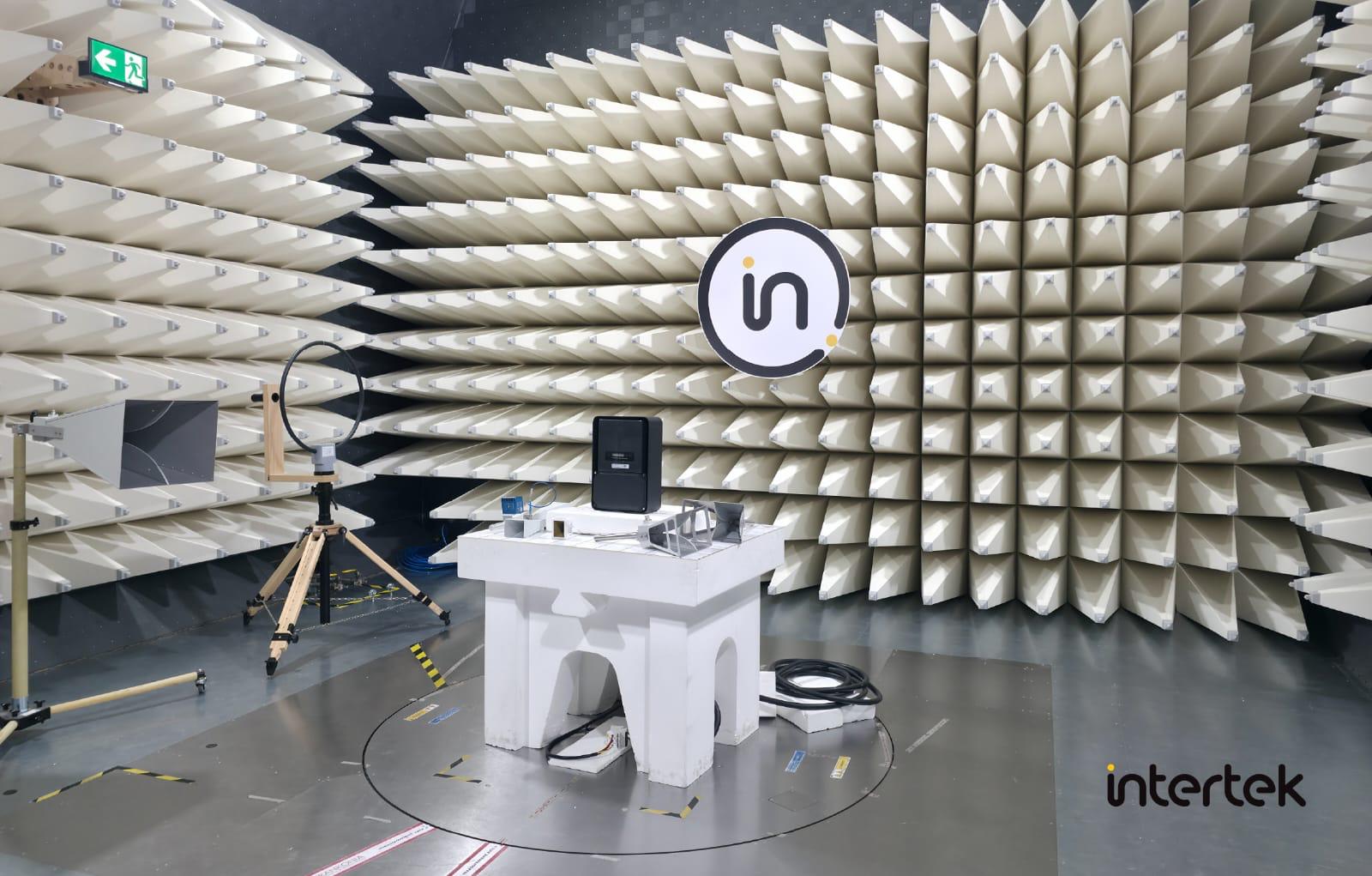
Against this backdrop, Intertek India Private Limited has launched a new EMC and Wireless Testing Laboratory in Bengaluru. The facility is aimed at strengthening India’s domestic testing ecosystem while helping manufacturers address challenges related to testing accessibility, turnaround time and dependence on overseas laboratories.
For Nagendra Bangaragiri, Director – ETL India & MENAP, Intertek India Pvt. Ltd., the facility is closely aligned with India’s growing electronics manufacturing ambitions. He says the increasing number of products being designed and manufactured locally is creating a greater need for advanced EMC and wireless testing capabilities within the country. “The primary objective behind launching the Bengaluru facility was to strengthen India’s domestic testing ecosystem and support the country’s growing electronics manufacturing ambitions. As more products are being designed and manufactured locally, there is increasing demand for advanced EMC and wireless testing capabilities within India itself,” he says.
Bangaragiri also highlights the practical challenges that manufacturers have faced when accessing specialised testing infrastructure. According to him, improving local access can help address both testing timelines and dependence on overseas laboratories. “The facility was also established to address long-standing industry challenges around testing accessibility, turnaround time and dependence on overseas laboratories for advanced compliance requirements,” he adds.

Bringing testing closer to product development
As product development cycles become more demanding, manufacturers increasingly need to identify compliance issues before products reach the final certification stage. The Bengaluru facility supports pre-compliance, R&D and certification-related testing, enabling companies to assess products earlier in their development journey.
Bangaragiri believes this approach can help manufacturers identify design problems sooner and avoid unnecessary redesign costs. “The facility enables manufacturers to validate products earlier in the development cycle through pre-compliance, R&D and certification-related testing. This helps companies identify design issues sooner, reduce redesign costs and improve overall product reliability before commercial launch,” he explains.
The facility offers advanced EMC and wireless testing capabilities up to 40 GHz, covering radiated emissions, immunity testing, wireless validation and high-frequency testing for a broad range of connected products. It also features a 3-metre semi-anechoic chamber with a two-ton turntable, designed for larger electronic systems.
Another specialised capability is water inlet and outlet testing for products such as chillers, washing machines and other systems that require live water flow during testing.
Connected technologies raise the compliance bar
The proliferation of AI, IoT and connected devices is creating more complex electronic environments. Products increasingly need to operate alongside multiple wireless and electronic systems without interference or performance disruption.
Bangaragiri points to this changing environment as a major factor behind the growing importance of EMC and wireless validation. “The rapid expansion of connected technologies is significantly increasing the complexity of electronic environments. Products today are expected to operate continuously alongside multiple wireless and electronic systems without interference or performance disruption,” he notes.
He further highlights the expanding role of IoT across industries such as healthcare, mobility, industrial automation and consumer electronics. “As IoT adoption grows across sectors such as healthcare, mobility, industrial automation and consumer electronics, EMC and wireless validation are becoming increasingly important to ensure interoperability, reliability and operational stability,” he adds.
The laboratory is expected to serve a wide range of industries, including electric mobility, medical devices, telecom equipment, industrial automation, robotics, consumer appliances and connected electronics. Bangaragiri expects particularly strong demand from medical electronics and EV-related technologies because of their increasing complexity and safety sensitivity.
Startups increasingly seek pre-compliance testing
The demand for advanced testing is also emerging from startups developing IoT products, robotics systems and connected electronics. For these companies, identifying compliance issues early can be particularly important as they move towards formal certification and commercialisation.
Bangaragiri says this trend is becoming increasingly visible in Bengaluru, which has developed into a major innovation hub for electronics and connected-device startups. “Yes, there is increasing demand from startups developing IoT devices, robotics systems and connected electronics products. Many early-stage companies are now prioritising pre-compliance testing during product development to avoid failures during final certification stages,” he says.
Supporting India’s global manufacturing ambitions
Testing and certification are also becoming increasingly important as Indian manufacturers seek to take their products into international markets. Different countries and regions have their own regulatory and quality requirements, creating additional compliance considerations for exporters.
Intertek supports manufacturers through globally recognised testing, inspection and certification services. Bangaragiri says the company’s international presence can help Indian businesses navigate different compliance frameworks while improving their readiness for overseas markets. “With operations across multiple global markets, the company helps manufacturers navigate different compliance frameworks while enabling faster certification and improved market readiness for exports,” he explains.
For India’s broader manufacturing ambitions, Bangaragiri sees domestic testing infrastructure as an important enabler. He believes local access to reliable testing capabilities can support faster product development while helping manufacturers address regulatory requirements more efficiently.
“Testing and certification infrastructure has become an important enabler of India’s manufacturing ecosystem. As India expands domestic production across electronics and connected technologies, manufacturers require reliable local testing capability to support faster product development and regulatory compliance,” he says.
He also points to the wider strategic benefit of developing capabilities within the country. “Strong domestic testing ecosystems also help reduce external dependency and support long-term competitiveness for Indian manufacturers,” he highlights.
Preparing for the next wave of connected products
The evolution of wireless technologies and smart devices is expected to keep reshaping testing requirements. EV platforms, IoT systems, robotics, industrial automation and smart consumer devices are creating increasingly interconnected environments where EMC, wireless and interoperability validation will become more important.
Bangaragiri believes this trend will continue to influence the testing landscape. “The continued growth of connected ecosystems, wireless communication technologies and software-driven products is expected to significantly influence future testing requirements,” he says.
Looking ahead, Intertek plans to continue expanding its capabilities in areas where emerging technologies are generating new testing demand. The company’s broader focus includes electronics, EVs, renewable energy and connected technologies, reflecting the changing needs of India’s manufacturing and compliance ecosystem.
As India moves towards becoming a larger global electronics manufacturing hub, the ability to test, validate and certify products locally is becoming an increasingly important part of that journey. Intertek’s Bengaluru facility is positioned to support manufacturers through this transition, helping them develop products that can meet both domestic requirements and the demands of international markets.

See What’s Next in Tech With the Fast Forward Newsletter


Tweets From @varindiamag
Nothing to see here - yet
When they Tweet, their Tweets will show up here.


