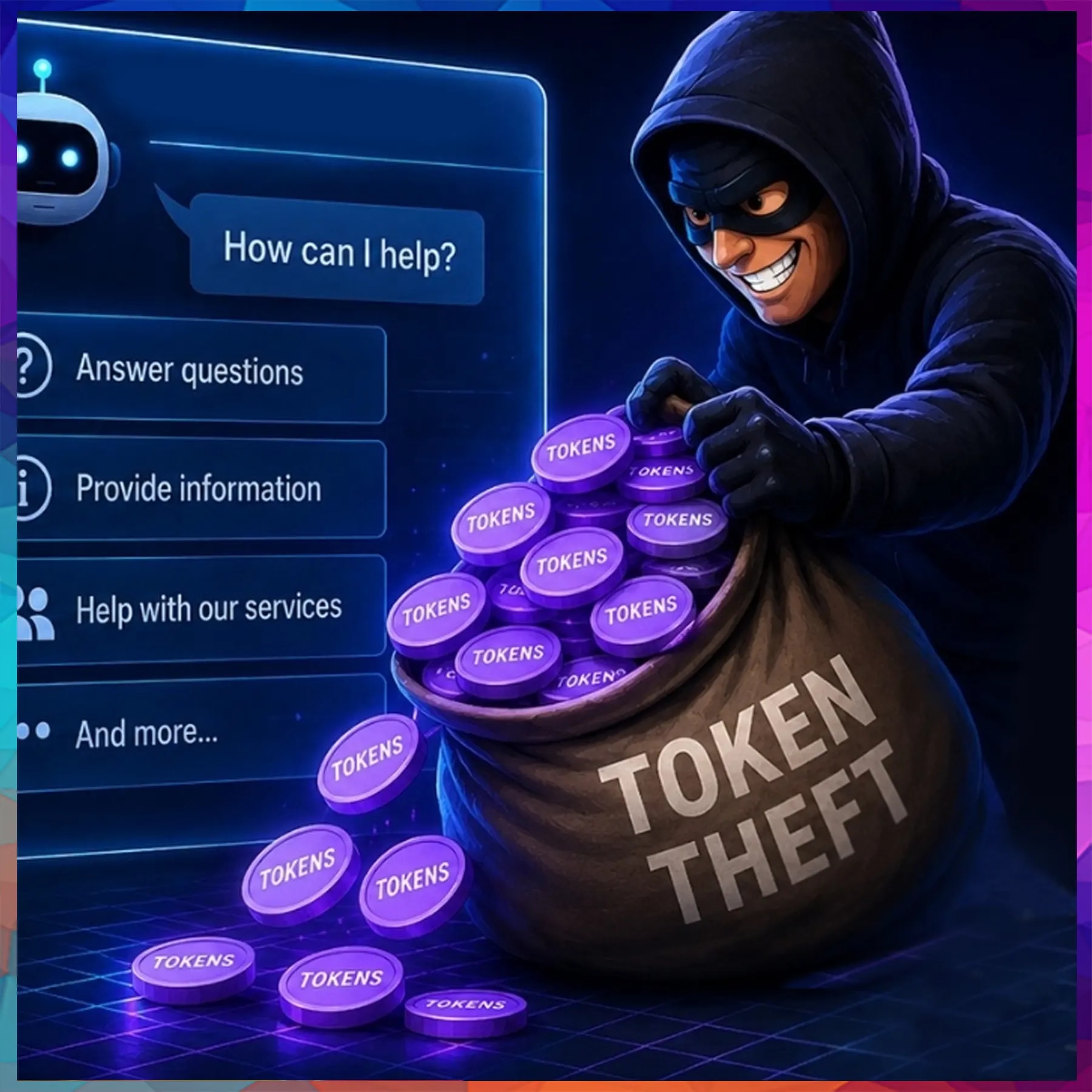
Artificial intelligence is creating a new cybersecurity battleground as stolen API credentials, fraudulent signups and uncontrolled token consumption expose enterprises to financial losses. AI token fraud now threatens customers, Master System Integrators (MSIs) and autonomous AI ecosystems.
At the customer level, fraudulent registrations and compromised credentials are emerging concerns. Figures attributed to Stripe suggest approximately one in six new AI-sector signups may involve token theft, while some companies reportedly experienced fraud attempts increasing by over 600%.
Key Highlights
-
Three-Layer Threat: Customers, system integrators and autonomous AI agents face interconnected exposure.
-
Fraudulent Signups: AI services face growing risks from fake accounts and stolen credentials.
-
Financial Exposure: Compromised API keys can generate substantial unauthorized usage charges.
-
Integrator Vulnerability: Shared gateways and supply-chain compromises can affect multiple customers.
-
Billing Manipulation: Opaque token consumption complicates fraud detection and accountability.
-
Autonomous AI Abuse: Compromised agents can amplify attacks through automated API calls.
-
Security Imperative: Continuous authentication, spending controls and behavioral monitoring are essential.
The financial implications can be severe. Reports suggest that a stolen API key purchased for approximately $30 could potentially generate more than $46,000 in unauthorized daily charges, depending on account permissions, pricing and spending limits.
How the Threat Expands Across
|
Level |
Emerging risk |
Potential impact |
|---|---|---|
|
1. Enterprise Customers |
Stolen API keys, excessive tok |
Unexpected billing, data expos |
|
2. Master System Integrators |
Shared credentials, multi- |
Cross-customer exposure, billi |
|
3. Autonomous LLM/AI Agents |
Prompt injection, credential m |
Rapid token consumption, fraud |
Master System Integrators face concentrated exposure because they manage multiple customers through shared gateways, API infrastructure and centralized billing. Supply-chain incidents involving platforms such as LiteLLM illustrate how compromised dependencies can potentially expose credentials across interconnected environments.
Billing transparency introduces another challenge. When integrators resell AI services, distinguishing legitimate consumption from stolen compute becomes difficult, creating financial disputes, customer mistrust and contractual liabilities.
Autonomous AI introduces an even more dangerous dimension. Malicious tools reportedly associated with names such as MONST3R-AI demonstrate concerns about automated scanning and exploitation using stolen AI credentials. Compromised agents can also generate excessive requests without continuous human supervision.
Organizations must strengthen API secret scanning, credential rotation, per-customer spending limits, usage anomaly detection and authenticated model gateways. Agent-level authorization, transaction controls and real-time monitoring are equally essential to prevent cascading losses.
The larger threat is the industrialization of AI resource theft. As autonomous agents gain access to enterprise applications and financial systems, cybersecurity must evolve from protecting API keys to continuously verifying identities, permissions, consumption and agent behavior before unauthorized activity becomes irreversible.