
AI Money Reshapes U.S. Politics
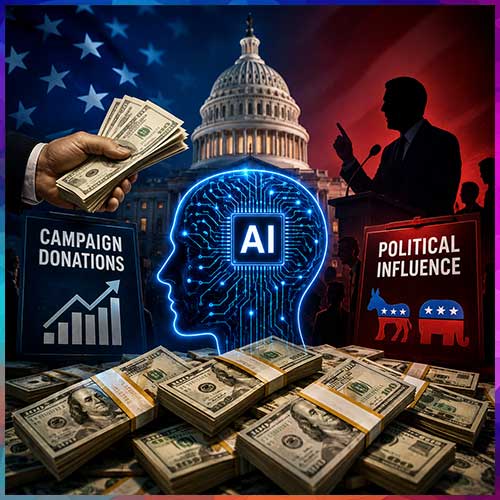
Artificial intelligence is no longer shaping only technology-it is increasingly influencing American politics. The latest endorsements by Leading the Future, a pro-AI super PAC backed by prominent Silicon Valley investors associated with OpenAI, Palantir, and Andreessen Horowitz, underscore how AI policy has become a central issue in U.S. congressional elections. The PAC has expanded its support for Democratic candidates it views as aligned with its vision of innovation-friendly AI policy, even as debates over regulation continue to intensify.
Leading the Future advocates a national AI framework that emphasizes innovation, competitiveness, and U.S. leadership while generally opposing a patchwork of state-level AI regulations. Its strategy mirrors the political playbook previously used by the cryptocurrency industry-supporting candidates who are expected to influence future technology legislation regardless of party affiliation. The PAC has reportedly raised more than US$100 million to support candidates across multiple congressional races.
The endorsements also highlight an unusual political dynamic. AI has become one of the few issues where technology policy increasingly transcends traditional party lines. Candidates are being evaluated not only on economic or social policies but also on their positions regarding AI governance, national competitiveness, energy infrastructure, and innovation. At the same time, rival AI-backed political organizations are supporting different candidates based on contrasting views of regulation, creating an unprecedented contest over the future of AI policy.
The growing influence of AI-backed political action committees reflects the enormous economic and strategic importance of artificial intelligence. With AI expected to transform industries worth trillions of dollars, technology companies are seeking a greater voice in shaping the regulatory environment that will govern future innovation.
Supporters argue that excessive regulation could slow innovation and weaken America's global competitiveness, particularly against China. Critics, however, warn that significant corporate spending in elections may give large technology companies disproportionate influence over public policy, potentially sidelining concerns around AI safety, transparency, competition, privacy, and accountability.
The broader trend is clear: AI policy is rapidly becoming a mainstream political issue. Future elections are likely to see increasing involvement from technology companies, investors, and advocacy groups seeking to shape how governments regulate one of the most transformative technologies of the century. The debate is no longer simply about AI innovation versus regulation—it is about who will define the rules governing the AI economy of the future.

See What’s Next in Tech With the Fast Forward Newsletter








Tweets From @varindiamag
Nothing to see here - yet
When they Tweet, their Tweets will show up here.