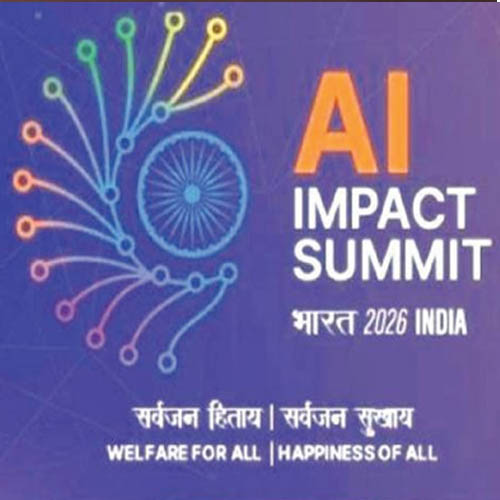


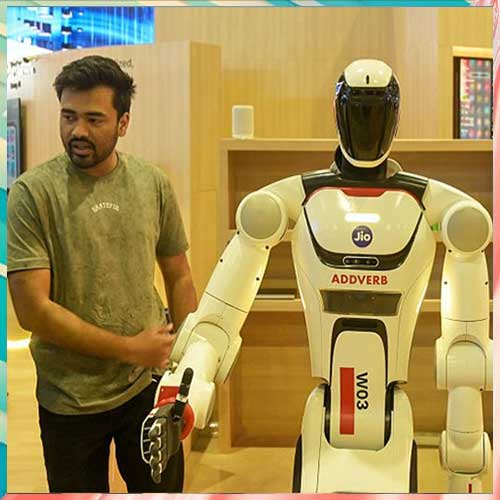
A controversy at the India AI Impact Summit has triggered sharp reactions online after reports claimed that a robot showcased as an innovation linked to Galgotias University was allegedly of Chinese origin. Social media users, including several Chinese handles, mocked the episode, questioning India’s claims of indigenous AI development.
The issue gained further traction after it was reported that a similar robot was also displayed by Wipro at the summit under the name “TJ Robot.” Critics argue that presenting imported hardware as original innovation creates confusion and undermines the credibility of India’s growing startup ecosystem.
The backlash comes at a time when India is positioning itself as a global AI leader, promoting self-reliance, sovereign technologies and homegrown research. Observers say the controversy highlights the thin line between sourcing global components and claiming original creation. In a deeply competitive geopolitical environment—especially amid ongoing technology rivalry with China—transparency around intellectual ownership and product origin becomes crucial.
While sourcing international technology is common practice in a globalized industry, miscommunication or misrepresentation can damage the narrative of authentic innovation. For many indigenous startups building solutions from scratch, such incidents risk overshadowing genuine efforts.
The episode has sparked a broader conversation about standards, accountability and the importance of clearly distinguishing between collaboration, adaptation and original invention in India’s AI journey.