
AI, Child Safety & Cybersecurity

Governments worldwide are accelerating efforts to address the growing impact of artificial intelligence, online safety, and cybersecurity. More than 200 researchers and economists, including 15 Nobel laureates and experts from OpenAI, Anthropic, and Google, have urged policymakers to prepare for AI's economic disruption, warning that its impact could surpass the Industrial Revolution while unfolding much faster.
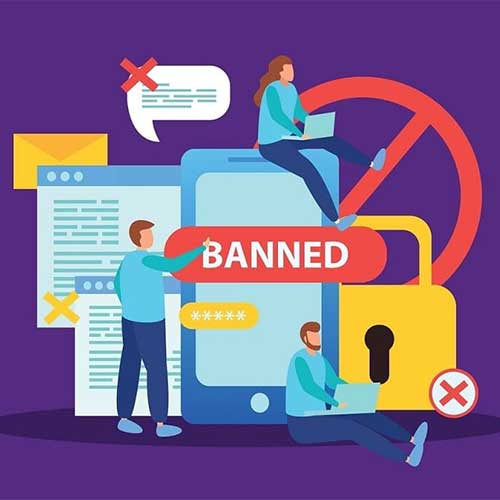
The European Commission's proposal to introduce age-tiered social media access marks a shift from blanket restrictions to graduated, developmentally-informed regulation. By allowing supervised, limited use for under-13s and expanding access with age, the plan acknowledges that digital literacy develops over time rather than at a fixed threshold.
This approach could reduce exposure to predatory content, cyberbullying, and addictive design patterns during critical developmental years. However, effective enforcement depends on robust age-verification technology and platform cooperation—challenges that have historically undermined similar child-safety regulations across jurisdictions.
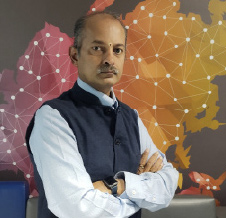
India's push for indigenous AI capabilities reflects a strategic recognition that digital sovereignty and security can't be outsourced. IT Secretary Krishnan's emphasis on domestic capacity-building—rather than sole reliance on foreign AI infrastructure—signals concern over data control, geopolitical dependency, and vulnerability to external disruptions.
As digitisation expands the attack surface across banking, government services, and enterprise systems, the strategy correctly links innovation with security rather than treating them separately. Success will depend on sustained investment, skilled talent retention, and whether domestic solutions can genuinely match global AI capabilities at scale.

See What’s Next in Tech With the Fast Forward Newsletter






Tweets From @varindiamag
Nothing to see here - yet
When they Tweet, their Tweets will show up here.