
FaceOff AI Can Stop Exam Paper Leaks
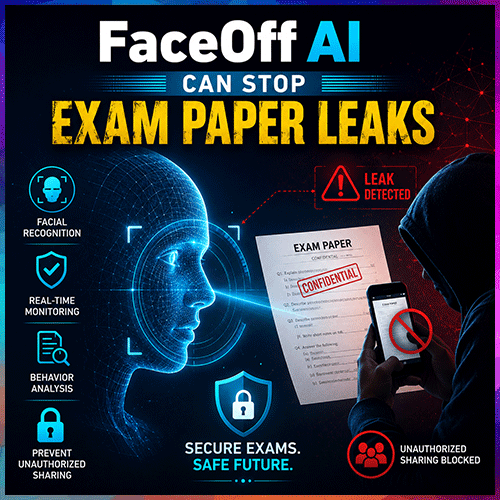
India has taken an important step toward protecting the integrity of public examinations through the Public Examinations (Prevention of Unfair Means) Amendment Bill, 2026, introducing stronger penalties, wider investigative powers, and greater accountability for organized examination fraud. While these reforms are necessary, they largely address what happens after a paper leak. The bigger challenge remains preventing leaks from occurring in the first place.
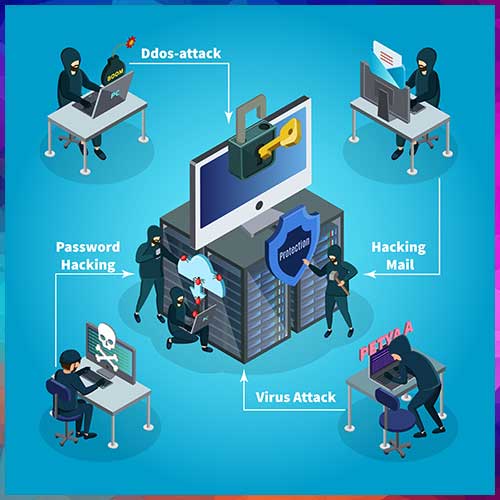
The repeated disruption of examinations such as NEET, UGC-NET, CUET, SSC, State Public Service Commission, police recruitment, and teacher eligibility tests demonstrates that paper leaks are not isolated criminal incidents but symptoms of systemic weaknesses. Poor vendor management, insider threats, weak access controls, inadequate cybersecurity, physical transportation of question papers, and delayed detection continue to expose India's examination ecosystem to organized fraud. Arrests may punish offenders, but they cannot restore the trust lost by millions of students whose futures are placed at risk.
The reality is that most paper leaks do not originate inside examination halls. They occur much earlier in the examination lifecycle-during question paper generation, printing, storage, transportation, or custody. In many cases, the paper is simply photographed or copied by individuals who legitimately possess access. Traditional security measures such as CCTV cameras, biometric attendance, frisking, or fingerprint verification at examination centers monitor candidates, but they do little to prevent insider compromise before the examination even begins.
FaceOff AI Changes the Security Model
FaceOff Technologies has developed a Privacy-by-Design and Security-by-Design Sovereign AI platform that fundamentally changes how examination papers are protected. Rather than relying solely on criminal deterrence, the platform prevents opportunities for compromise through cryptographic security, identity assurance, behavioral authentication, and continuous governance.
The platform ensures that, for most of the examination lifecycle, no human-readable question paper exists. Question papers remain encrypted and protected until the authorized release window, eliminating the possibility of early photography or unauthorized copying. Even if storage systems are compromised, attackers cannot access usable content without multiple layers of cryptographic authorization.
Eliminating Insider Threats
FaceOff removes the single point of failure that has enabled many historical paper leaks.
Authorization to release examination papers is distributed across multiple trusted officials from independent authorities. No single administrator, printing official, or examination center can independently access confidential content. Every authorization requires policy-driven approvals protected by Zero Trust Architecture, Post-Quantum Cryptography, and Hardware Security Module (HSM)-based key management.
Every authorized individual is continuously verified using Biological Behaviour Authentication, combining encrypted facial landmarks, heart-rate estimation (rPPG), oxygen saturation, facial micro-expressions, behavioral biometrics, device trust, and silent authentication. Unlike passwords, OTPs, or conventional biometrics, these biological signals cannot be easily borrowed, shared, or replicated using AI-generated deepfakes or cloned identities.
Every Copy Becomes Traceable
FaceOff introduces another powerful deterrent through invisible forensic watermarking.
Each examination paper generated for a specific center or authorized printer carries a unique invisible identity. If even a single page appears on social media or messaging platforms, forensic analysis can rapidly identify its exact source, dramatically reducing investigation time from weeks to minutes. Anonymous leaks become attributable leaks, significantly increasing accountability.
Privacy by Design
Unlike many centralized biometric systems, FaceOff does not create permanent biometric databases of candidates. Identity verification occurs locally using encrypted attributes rather than raw personal information. Sensitive data remains under the control of the examination authority and is processed in compliance with the Digital Personal Data Protection (DPDP) Act, 2023 and applicable privacy regulations. Every automated identity decision is supported by documented manual fallback procedures to ensure that no genuine candidate is disadvantaged.
Designed for Existing Examination Infrastructure
One of FaceOff's key advantages is that it does not require India to immediately replace pen-and-paper examinations with fully digital testing. The platform can be deployed in phases while preserving existing examination processes.
The first phase secures question paper custody, strengthens identity verification, introduces cryptographic controls, and enables forensic traceability. Subsequent phases can expand to secure digital paper release, AI-assisted monitoring, centralized Security Operations Centre (SOC) integration, and eventually full digital examination delivery where infrastructure permits.
From Punishment to Prevention
India's examination reforms must now evolve beyond punishment toward prevention. Stronger laws are essential, but technology must become the first line of defense rather than the final investigative tool.
FaceOff Technologies combines Sovereign AI, Zero Trust Security, Biological Behaviour Authentication, Post-Quantum Cryptography, Privacy-by-Design, forensic watermarking, explainable AI, and continuous identity governance into a unified examination security platform. The objective is simple: make paper leaks administratively improbable, technologically prohibitive, and operationally impossible.
Students deserve more than justice after a leak. They deserve an examination system where trust is built into every stage of the process. By preventing unauthorized access before it occurs and ensuring complete accountability for every privileged action, FaceOff Technologies provides a practical roadmap for building a leak-proof, transparent, and resilient examination ecosystem that safeguards the aspirations of millions of students across India.

See What’s Next in Tech With the Fast Forward Newsletter







Tweets From @varindiamag
Nothing to see here - yet
When they Tweet, their Tweets will show up here.