

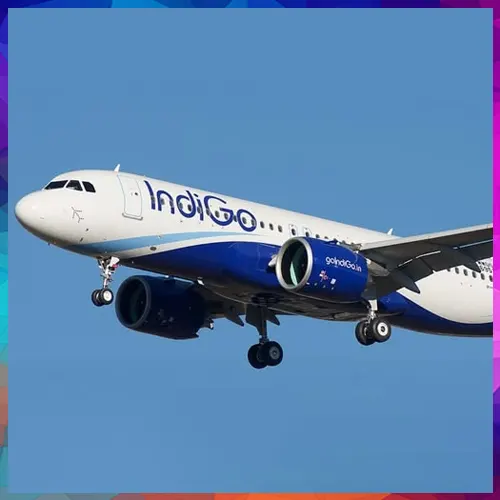
The civil aviation ministry has imposed temporary fare caps ranging from Rs 7,500 to Rs 18,000 depending on flight distance, aiming to provide relief to passengers affected by massive IndiGo cancellations and delays across the country.
The government has announced temporary limits on airfares as a response to soaring ticket prices caused by operational disruptions at IndiGo, the country’s largest airline. The civil aviation ministry issued the order specifying maximum fares for different distance brackets, excluding charges such as User Development Fee (UDF), Passenger Service Fee (PSF), and applicable taxes. The caps do not apply to business class or UDAN flights.
Fare caps and distance limits
Under the order, flights covering up to 500 kilometres are capped at Rs 7,500, while those flying 500–1,000 kilometres cannot exceed Rs 12,000. For distances between 1,000–1,500 kilometres, fares are limited to Rs 15,000, and flights above 1,500 kilometres have a maximum fare of Rs 18,000. For instance, the Delhi-Mumbai route, covering over 1,300 kilometres, will now have economy-class fares capped at Rs 18,000.
The ministry clarified that the limits apply to all forms of bookings, whether made directly on airline websites or through online travel agents. Any deviation from the prescribed norms will invite immediate corrective action, and airlines have been asked to avoid sudden or steep fare increases on affected sectors.
IndiGo disruptions and passenger relief
IndiGo has faced multiple cancellations and delays over the past five days, with more than 1,000 flights cancelled on Friday and over 400 on Saturday. Passengers have reported misplaced baggage and travel inconveniences. The ministry has instructed IndiGo to complete refunds for all affected tickets by Sunday evening and ensure separated baggage is delivered within two days. No rescheduling charges should be levied for disrupted travel, and dedicated support cells must be set up to assist passengers.
Industry leaders welcomed the move but stressed the need for long-term measures. Ravi Gosain, President of the Indian Association of Tour Operators, noted that fare spikes damage consumer confidence and called for better contingency planning and transparent fare monitoring. FAITH board member Anil Kalsi added that a permanent fare policy is essential to safeguard passenger rights.
The ministry will continue to monitor fare levels in real-time and coordinate with airlines and online platforms until the situation stabilises, ensuring that passengers are protected from unreasonable fare surges.

See What’s Next in Tech With the Fast Forward Newsletter





Tweets From @varindiamag
Nothing to see here - yet
When they Tweet, their Tweets will show up here.