


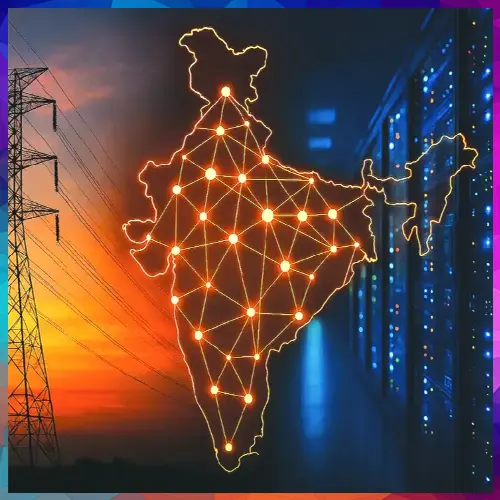
A nationwide push to integrate AI into power networks aims to help households save on electricity bills, strengthen grid efficiency and support policy reforms designed to create a transparent, reliable and future-ready power distribution system.
India is preparing to deploy artificial intelligence more extensively across its power distribution systems in an effort to reduce electricity costs and improve network efficiency. Speaking at the National Conference on the Use of AI/ML in the Power Distribution Sector, Shashank Misra, Joint Secretary at the Ministry of Power, said AI-driven tools would help distribution companies detect theft-prone zones more accurately and respond to issues with greater speed.
Misra emphasised that the government’s aim is to “reduce the bill of consumers and better utilise energy,” noting that AI can also monitor daily household consumption and identify earth leakages that typically go unnoticed. Such capabilities, he said, would support faster decision-making and improve operational performance across the sector.
AI-enabled analytics are expected to play a crucial role in identifying unusual usage behaviour, guiding targeted field inspections, and lowering technical and commercial losses — factors that contribute significantly to higher electricity costs for consumers and utilities alike. Misra also confirmed that the ministry is assessing the potential of large language models, including GPT-based systems, to streamline administrative processes and support real-time monitoring.
Experts highlight India’s unique advantage in power market growth
Industry experts at the conference said India has a rare advantage: surplus generation capacity at the same time data centres, electric mobility and industrial expansion are driving new demand. They noted that by treating electricity as a tradable commodity and reliably serving domestic and global needs, India could emerge as a major player in international power markets.
Electricity amendment bill aims for competitive, consumer-centric sector
The discussion comes as the government advances the draft Electricity (Amendment) Bill, 2025. The proposed legislation aims to rationalise tariffs, improve transparency and reduce hidden cross-subsidies, while continuing to protect subsidised rates for farmers and low-income households.
By promoting competition among public and private players, the bill seeks to move beyond the traditional monopoly model and ensure consumers receive higher-quality service. It also prioritises efficient use of existing infrastructure and clearer accountability, supporting a future electricity system that is modern, affordable and dependable for all categories of consumers.

See What’s Next in Tech With the Fast Forward Newsletter






Tweets From @varindiamag
Nothing to see here - yet
When they Tweet, their Tweets will show up here.