

The South Korean tech giant ramps up output of next-generation high-bandwidth memory as global demand for AI infrastructure surges, intensifying competition with SK Hynix and Micron in the fast-growing HBM4 market.
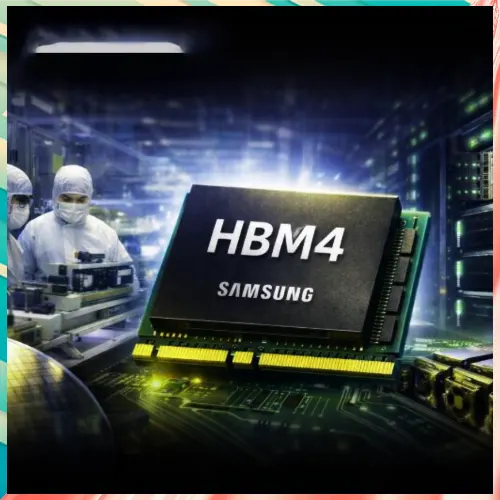
Samsung Electronics has announced the start of mass production for its latest high-bandwidth memory chips, known as HBM4, designed to support rapidly expanding artificial intelligence data centers.
The company said it has begun shipping commercial HBM4 products to customers, marking what it described as a significant milestone in the next phase of AI-driven computing. The new chips are engineered to deliver more than 40 percent higher processing speeds compared with previous generations, addressing the growing need for faster and more efficient memory in large-scale AI workloads.
Race to lead the HBM4 market
HBM4 chips are considered critical components in advanced AI servers, particularly those used to train and deploy large AI models. Industry observers expect major technology firms, including Nvidia, to be among the key buyers as demand for AI accelerators continues to rise.
Samsung’s move intensifies competition with domestic rival SK Hynix, which has also been racing to bring HBM4 products to market. The two companies are already leading suppliers of high-performance memory used in AI systems.
Meanwhile, US-based Micron Technology has pushed back against reports suggesting it could be excluded from certain HBM4 supply arrangements. At a recent investor conference in New York, Micron executives said the company is already producing HBM4 in high volumes and ramping up shipments earlier than previously projected.
Expanding capacity for future growth
Market research firm TrendForce forecasts global memory industry revenues could climb sharply next year, driven largely by AI-related demand.
Samsung has committed billions of dollars toward expanding manufacturing capacity and upgrading production lines to support advanced chipmaking processes. Analysts say the early rollout of HBM4 could strengthen Samsung’s position in the AI memory segment, particularly after trailing SK Hynix during the previous HBM3 cycle.
With AI infrastructure investments accelerating worldwide, the competition to dominate next-generation memory technologies is expected to intensify further.

See What’s Next in Tech With the Fast Forward Newsletter









Tweets From @varindiamag
Nothing to see here - yet
When they Tweet, their Tweets will show up here.