

As digital transformation accelerates, telecom operators are exploring smarter ways to manage rising network demands.
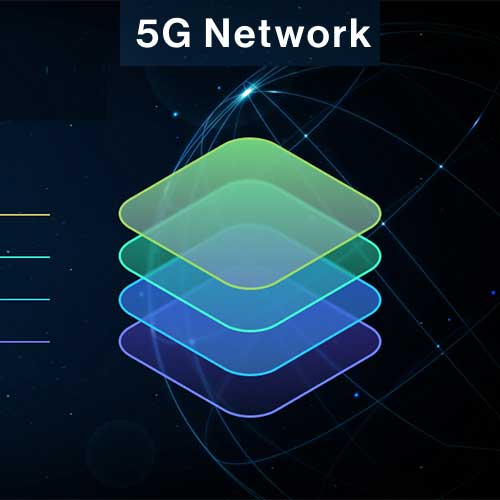
One of the most important innovations driving this shift is network slicing, a technology powered by 5G architecture that enables operators to create multiple virtual networks within a single physical infrastructure.
In network slicing technology each “slice” is customized for a specific application or user category, offering different levels of speed, latency, reliability, and security.
For instance, one slice may support high-speed gaming and video streaming, while another is optimized for critical services such as healthcare systems, autonomous vehicles, or industrial automation.
Unlike traditional mobile networks where all users compete for the same resources, network slicing dynamically allocates bandwidth according to service requirements.
This allows operators to maintain stable performance even during periods of heavy congestion.
In India, Bharti Airtel recently introduced its Priority Postpaid plans powered by 5G network slicing technology.
The service is designed to provide postpaid users with a more reliable and uninterrupted connectivity experience, particularly during high-traffic conditions.
Airtel says the technology intelligently reserves and manages network capacity to ensure smoother online collaboration, streaming, and business communication for premium users.
The technology is also expected to accelerate Industry 4.0 adoption, smart city development, connected factories, and large-scale Internet of Things (IoT) deployments.
Enterprises can use dedicated slices for secure operations, while sectors like healthcare can benefit from ultra-low latency communications for remote diagnostics and emergency response systems.
However, network slicing has also triggered concerns around net neutrality.
Critics argue that prioritizing certain customers or applications could create unequal internet experiences if premium subscribers consistently receive faster or more stable access than regular users.
Regulators and governments are therefore closely examining how telecom companies deploy such services.
Despite these concerns, network slicing is widely considered a cornerstone of the 5G era, enabling highly customized, scalable, and efficient digital experiences for consumers and enterprises alike.

See What’s Next in Tech With the Fast Forward Newsletter







Tweets From @varindiamag
Nothing to see here - yet
When they Tweet, their Tweets will show up here.