
Techno Blogging

At least 15% of countries in geopolitically volatile regions will establish formal data embassy agreements by 2029 to ensure continuity of government operations during cyberattacks and other major disruptions, according to Gartner.
The analyst firm said governments are increasingly adopting "data embassies"—legally protected facilities that allow critical government data and digital infrastructure to be hosted in another country while remaining under the originating nation's legal jurisdiction and sovereign control.
The forecast marks a significant shift from today, when only a handful of countries have formal data embassy arrangements.
"Rising geopolitical instability, cyber threats and concentration risks associated with data localization are prompting governments to move beyond traditional sovereignty models centered on data residency," Daniel Nieto, senior director analyst at Gartner, said in a statement.
"This shift is increasing focus on resilient operational strategies such as sovereign dispersion, which decouple critical data, applications and infrastructure from physical geography while maintaining sovereignty through legal jurisdiction."
According to Gartner, data embassies reduce concentration risk by allowing governments to replicate critical digital assets outside their borders without relinquishing legal ownership or control. Under bilateral agreements, governments can host systems in another country while retaining exclusive control through legal protections and encryption, with decryption keys remaining solely under the home nation's control.
The firm said the approach is becoming increasingly relevant as governments seek to protect essential digital services from cyberattacks, geopolitical conflict and other large-scale disruptions.
Gartner said critical systems such as civil registries, property records, tax databases and fiscal ledgers can be replicated in secure external environments, allowing governments to continue delivering essential services even during so-called "black sky" events—catastrophic incidents that severely disrupt national infrastructure and government operations.
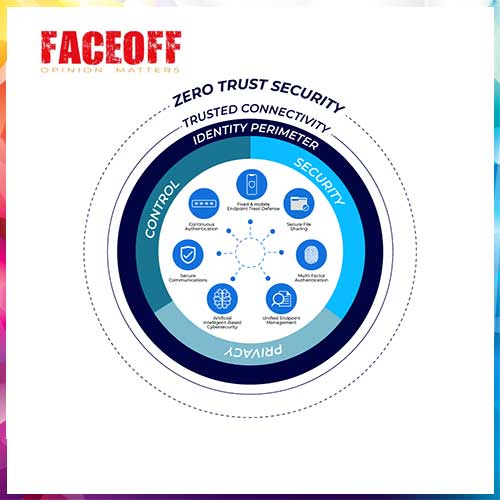
For defense and intelligence workloads, Gartner recommends additional protections, including post-quantum cryptography and Zero Trust architectures, to secure highly sensitive systems hosted outside national borders.
The forecast reflects a broader shift in digital sovereignty strategies. Rather than relying solely on data localization, governments are increasingly balancing sovereignty with operational resilience by distributing critical digital infrastructure across multiple jurisdictions while maintaining legal control over data and services.
The analyst firm said governments are increasingly adopting "data embassies"—legally protected facilities that allow critical government data and digital infrastructure to be hosted in another country while remaining under the originating nation's legal jurisdiction and sovereign control.
The forecast marks a significant shift from today, when only a handful of countries have formal data embassy arrangements.
"Rising geopolitical instability, cyber threats and concentration risks associated with data localization are prompting governments to move beyond traditional sovereignty models centered on data residency," Daniel Nieto, senior director analyst at Gartner, said in a statement.
"This shift is increasing focus on resilient operational strategies such as sovereign dispersion, which decouple critical data, applications and infrastructure from physical geography while maintaining sovereignty through legal jurisdiction."
According to Gartner, data embassies reduce concentration risk by allowing governments to replicate critical digital assets outside their borders without relinquishing legal ownership or control. Under bilateral agreements, governments can host systems in another country while retaining exclusive control through legal protections and encryption, with decryption keys remaining solely under the home nation's control.
The firm said the approach is becoming increasingly relevant as governments seek to protect essential digital services from cyberattacks, geopolitical conflict and other large-scale disruptions.
Gartner said critical systems such as civil registries, property records, tax databases and fiscal ledgers can be replicated in secure external environments, allowing governments to continue delivering essential services even during so-called "black sky" events—catastrophic incidents that severely disrupt national infrastructure and government operations.
For defense and intelligence workloads, Gartner recommends additional protections, including post-quantum cryptography and Zero Trust architectures, to secure highly sensitive systems hosted outside national borders.
The forecast reflects a broader shift in digital sovereignty strategies. Rather than relying solely on data localization, governments are increasingly balancing sovereignty with operational resilience by distributing critical digital infrastructure across multiple jurisdictions while maintaining legal control over data and services.

See What’s Next in Tech With the Fast Forward Newsletter








Tweets From @varindiamag
Nothing to see here - yet
When they Tweet, their Tweets will show up here.