

Breaking News
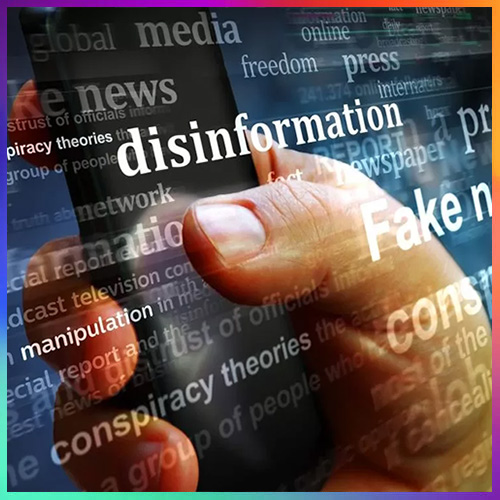
The accelerating spread of AI-generated misinformation is forcing enterprises to rethink how they safeguard their brands, with Gartner predicting that by 2027, 50% of organizations will invest in disinformation security tools or TrustOps strategies—up from less than 5% today.
The research firm said the surge in synthetic media, automated bot networks and influence operations is creating new operational and reputational risks that businesses can no longer ignore. Andrew Frank, Distinguished VP Analyst at Gartner, said organizations are increasingly vulnerable to manufactured online outrage and targeted deception campaigns designed to erode consumer trust and damage brand equity.
“Marketers can no longer afford to treat disinformation as someone else’s problem,” Frank said. “The proliferation of automated bot networks means that even well-established brands can find themselves at the center of a synthetic outrage storm overnight.”
Gartner’s analysis highlights the need for enterprises to adopt formal trust-management strategies, including TrustOps—an emerging operational discipline that combines technology, governance frameworks, and cross-functional teams to detect and counter digital deception. The firm said many companies still lack board-level visibility into disinformation risks, despite acknowledging the threat.
The research points to several response strategies gaining traction. Content verification standards such as Content Credentials are expected to play a central role in authenticating brand communications as deepfakes become more sophisticated. Advanced narrative intelligence tools and continuous media monitoring are also emerging as critical capabilities for identifying and neutralizing coordinated influence efforts.
Gartner analysts said behavioral science will become a necessary component of enterprise readiness, helping organizations educate consumers and employees to better recognize and question manipulated content.
“Disinformation is not just a technology or security issue—it is a marketing imperative,” Frank said, noting that the rapid spread of bot-generated fake outrage can now trigger viral crises in a matter of hours.
As enterprises prepare for this new threat landscape, Gartner is urging marketing and communications leaders to elevate disinformation resilience to a strategic priority—one that demands boardroom attention, cross-department collaboration, and stronger industry-wide standards to protect trust in an increasingly volatile digital environment.
The research firm said the surge in synthetic media, automated bot networks and influence operations is creating new operational and reputational risks that businesses can no longer ignore. Andrew Frank, Distinguished VP Analyst at Gartner, said organizations are increasingly vulnerable to manufactured online outrage and targeted deception campaigns designed to erode consumer trust and damage brand equity.
“Marketers can no longer afford to treat disinformation as someone else’s problem,” Frank said. “The proliferation of automated bot networks means that even well-established brands can find themselves at the center of a synthetic outrage storm overnight.”
Gartner’s analysis highlights the need for enterprises to adopt formal trust-management strategies, including TrustOps—an emerging operational discipline that combines technology, governance frameworks, and cross-functional teams to detect and counter digital deception. The firm said many companies still lack board-level visibility into disinformation risks, despite acknowledging the threat.
The research points to several response strategies gaining traction. Content verification standards such as Content Credentials are expected to play a central role in authenticating brand communications as deepfakes become more sophisticated. Advanced narrative intelligence tools and continuous media monitoring are also emerging as critical capabilities for identifying and neutralizing coordinated influence efforts.
Gartner analysts said behavioral science will become a necessary component of enterprise readiness, helping organizations educate consumers and employees to better recognize and question manipulated content.
“Disinformation is not just a technology or security issue—it is a marketing imperative,” Frank said, noting that the rapid spread of bot-generated fake outrage can now trigger viral crises in a matter of hours.
As enterprises prepare for this new threat landscape, Gartner is urging marketing and communications leaders to elevate disinformation resilience to a strategic priority—one that demands boardroom attention, cross-department collaboration, and stronger industry-wide standards to protect trust in an increasingly volatile digital environment.

See What’s Next in Tech With the Fast Forward Newsletter
SECURITY








Tweets From @varindiamag
Nothing to see here - yet
When they Tweet, their Tweets will show up here.