


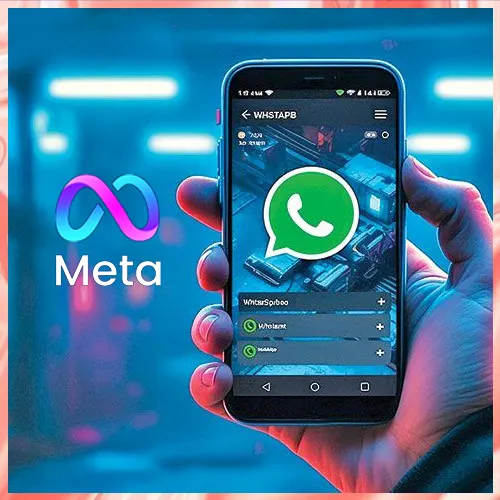
In a recent development, the National Company Law Appellate Tribunal (NCLAT) has halted the Competition Commission of India’s (CCI) decision to impose a five-year ban on WhatsApp’s data-sharing policy with its parent company, Meta (formerly Facebook). The case, which has drawn significant attention, revolves around the alleged misuse of WhatsApp user data by Meta under its revised privacy policy, raising concerns about user privacy and competition in the digital ecosystem.
The Meta-WhatsApp Data Sharing Controversy
The dispute originated from WhatsApp’s updated privacy policy, introduced in 2021, which sought user consent for sharing data with Meta to enhance targeted advertising and streamline services across Meta’s ecosystem. This policy triggered widespread backlash from users, privacy advocates, and regulatory bodies, including the CCI, citing potential violations of competition laws and data privacy principles.
Also Read: After data-sharing ban, Meta may have to alter some WhatsApp features in India
The CCI, in its investigation, alleged that WhatsApp’s new data-sharing mechanism with Meta could result in anti-competitive practices, effectively strengthening Meta’s dominance in the social media and digital advertising markets. Consequently, the CCI imposed a five-year ban on the implementation of WhatsApp’s data-sharing policy, stating that it undermined competition and infringed upon user rights.
NCLAT’s Decision and Implications
The NCLAT’s decision to pause the five-year ban is a significant relief for WhatsApp and Meta. The tribunal observed that the CCI’s order required further scrutiny to ensure it aligned with legal and procedural norms. NCLAT highlighted the need for a balanced approach that considers both competition concerns and the operational autonomy of digital platforms.
The suspension of the ban allows WhatsApp to continue its data-sharing practices temporarily, albeit under regulatory and judicial oversight. This decision has far-reaching implications, as it underscores the tension between tech companies’ data practices and regulatory efforts to safeguard user rights and fair competition.
The Meta-WhatsApp case brings to light a broader debate on the fine line between innovation and privacy in the digital economy. While platforms like WhatsApp argue that data-sharing policies enable them to improve user experiences and foster innovation, regulators contend that unchecked data practices could lead to monopolistic behavior and erosion of user trust.
Critics of WhatsApp’s policy assert that it compels users to either accept the terms or lose access to the platform, limiting consumer choice. On the other hand, WhatsApp has consistently maintained that its policy adheres to global standards and is designed to enhance transparency and user control over their data.
The Road Ahead for the WhatsApp-Meta Case
The NCLAT’s decision is a temporary reprieve, but it does not mark the end of the legal and regulatory scrutiny surrounding WhatsApp’s data-sharing practices. The case is expected to set a precedent for how digital platforms handle user data in India, particularly under evolving data protection laws like the Digital Personal Data Protection Act, 2023.
For the CCI, this case is a test of its ability to regulate tech giants and ensure fair competition in a rapidly digitizing economy. For WhatsApp and Meta, it serves as a reminder of the growing need to align their policies with regulatory frameworks and public sentiment on privacy.
The suspension of the CCI’s five-year ban by the NCLAT has reignited discussions around the Meta-WhatsApp data policy and the challenges of balancing innovation with privacy and competition. As the case unfolds, it will shape the regulatory landscape for data practices in India and beyond, offering crucial insights into the evolving relationship between tech giants, regulators, and users.

See What’s Next in Tech With the Fast Forward Newsletter




Tweets From @varindiamag
Nothing to see here - yet
When they Tweet, their Tweets will show up here.