

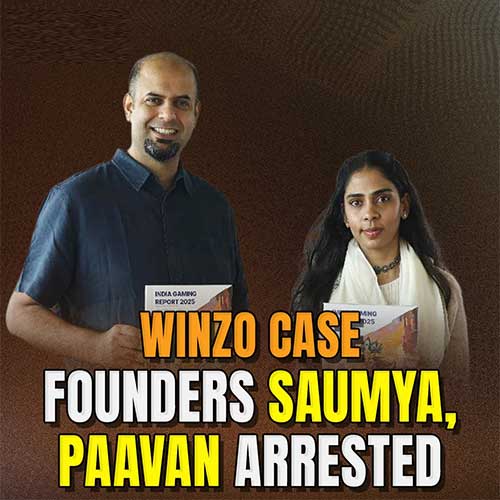
Delhi-based gaming startup WinZO, once hailed as a rising star in India’s digital gaming landscape, is now embroiled in a major enforcement crisis. The Enforcement Directorate (ED) has arrested its founders and frozen over ₹500 crore, raising serious concerns about transparency and governance.
The controversy began in August 2025, when the Indian government banned real-money gaming apps including Dream11 and WinZO. Companies were instructed to refund all user balances. However, WinZO allegedly failed to return nearly ₹43 crore, prompting user complaints and an FIR.
As investigations unfolded, authorities uncovered allegations of manipulated gameplay. WinZO reportedly used bots disguised as real players in its Ludo game, with a hidden algorithm designed to make users lose money.
The probe further revealed offshore financial irregularities. WinZO’s U.S.-based entity allegedly processed Indian user data and received transfers amounting to ₹490 crore, raising money laundering concerns.
Despite the ban, the Indian team reportedly continued handling global operations for markets such as Brazil and the U.S., suggesting possible evasion of Indian regulations.
These developments come as a major setback for the gaming sector. WinZO, once seen as a ₹2,000-crore poster brand, now faces accusations that could redefine the industry’s credibility.
Investor trust may also erode, leading to tighter scrutiny, slower funding, and deeper compliance checks for gaming startups.
For millions of users, the case highlights risks around data misuse, rigged gameplay, and inadequate consumer safeguards.
If proven, the allegations could drive major regulatory reforms across real-money gaming, digital fraud control, and cross-border data oversight.
The WinZO case is more than a single-company scandal—it reflects the urgent need for accountability in India’s booming digital economy.

See What’s Next in Tech With the Fast Forward Newsletter






Tweets From @varindiamag
Nothing to see here - yet
When they Tweet, their Tweets will show up here.