Global shipments of artificial intelligence-enabled smart glasses surged to 8.7 million units in 2025, a 322 percent increase from the previous year, according to new estimates from research firm Omdia.
The rapid growth reflects rising interest in AI-powered wearable devices that integrate voice assistants, cameras and real-time information services.
Meta dominated the global market, accounting for 85.2 percent of shipments. The company shipped about 7.4 million AI glasses during the year, driven largely by strong demand for its Oakley and second-generation Ray-Ban branded models as it expanded into new markets including India, Mexico and Brazil.
While Meta leads globally, the competitive landscape is evolving quickly, particularly in mainland China where Meta does not operate directly. The Chinese market has emerged as the fastest-growing region for AI glasses, capturing 10.9 percent of global shipments with nearly one million units sold in 2025, making it the second-largest market after the United States.
Chinese technology firms are playing a growing role in the sector. Rokid and Xiaomi have quickly risen to become the second- and third-largest vendors globally, according to Omdia.
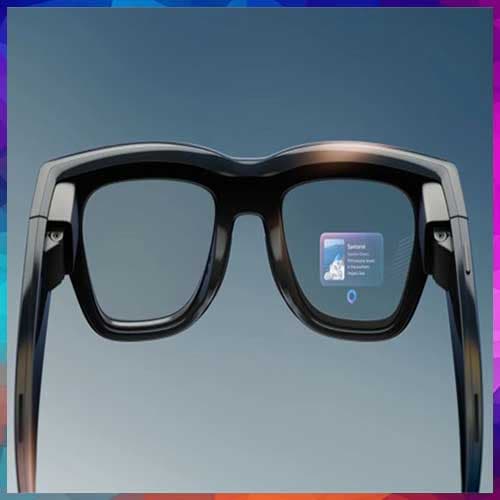
Devices equipped with built-in displays are also gaining traction. The share of AI glasses featuring displays increased from 3.3 percent in 2024 to 8.4 percent in 2025, with shipments reaching about 730,000 units. Chinese companies including Alibaba and Even Realities accounted for about 71 percent of this segment.
Omdia said display-equipped glasses allow deeper integration of AI assistants by presenting contextual information directly within the user’s field of view, enabling more seamless interactions.
The market is also attracting new entrants from adjacent industries. Smartphone manufacturers such as Xiaomi and automotive companies including Li Auto have begun exploring the category as part of broader ecosystem strategies.
Omdia forecasts global shipments of AI glasses will exceed 15 million units in 2026 as more technology companies enter the market and production expands. The research firm said future competition will increasingly depend on ecosystem integration, hardware innovation and improvements in power efficiency and battery life.
The rapid growth reflects rising interest in AI-powered wearable devices that integrate voice assistants, cameras and real-time information services.
Meta dominated the global market, accounting for 85.2 percent of shipments. The company shipped about 7.4 million AI glasses during the year, driven largely by strong demand for its Oakley and second-generation Ray-Ban branded models as it expanded into new markets including India, Mexico and Brazil.
While Meta leads globally, the competitive landscape is evolving quickly, particularly in mainland China where Meta does not operate directly. The Chinese market has emerged as the fastest-growing region for AI glasses, capturing 10.9 percent of global shipments with nearly one million units sold in 2025, making it the second-largest market after the United States.
Chinese technology firms are playing a growing role in the sector. Rokid and Xiaomi have quickly risen to become the second- and third-largest vendors globally, according to Omdia.
Devices equipped with built-in displays are also gaining traction. The share of AI glasses featuring displays increased from 3.3 percent in 2024 to 8.4 percent in 2025, with shipments reaching about 730,000 units. Chinese companies including Alibaba and Even Realities accounted for about 71 percent of this segment.
Omdia said display-equipped glasses allow deeper integration of AI assistants by presenting contextual information directly within the user’s field of view, enabling more seamless interactions.
The market is also attracting new entrants from adjacent industries. Smartphone manufacturers such as Xiaomi and automotive companies including Li Auto have begun exploring the category as part of broader ecosystem strategies.
Omdia forecasts global shipments of AI glasses will exceed 15 million units in 2026 as more technology companies enter the market and production expands. The research firm said future competition will increasingly depend on ecosystem integration, hardware innovation and improvements in power efficiency and battery life.