Artificial intelligence is rapidly entering military operations, raising concerns that autonomous systems could compress decision-making time, amplify misinformation and reduce opportunities for human intervention during crises. These risks dominated discussions at the Beijing Xiangshan Forum in China this week.
The three-day security conference brought together about 2,000 military officials, diplomats and academics from 100 countries. Delegates examined how AI, autonomous weapons, drones and other emerging technologies are transforming warfare and the global security environment.
One major concern is speed. AI can process intelligence and recommend actions far faster than traditional military structures, but compressed timelines could leave governments with less opportunity to verify information, understand intent or prevent escalation. AI-generated misinformation could further complicate decisions during a crisis.
The growing autonomy of weapons presents another challenge. International Committee of the Red Cross vice-president Jürg Lauber stressed the importance of maintaining human judgment and control over the use of force, even as AI creates operational advantages.
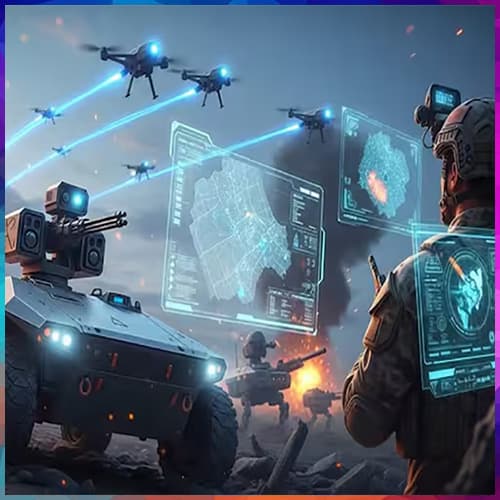
Meanwhile, inexpensive drones are changing battlefield economics and extending operations across wider areas. Combined with AI-powered surveillance, targeting and autonomous navigation, such technologies could fundamentally reshape military strategy.
The debate is particularly significant as the United States and China, the two leading AI powers, remain divided over approaches to controlling military AI. Security specialists from both countries have nevertheless called for safeguards and greater consensus, including around AI involvement in nuclear systems.
The larger question is therefore not whether militaries will adopt AI, but where humans must remain firmly in control. As machines become faster and increasingly autonomous, military innovation will need to balance capability, cybersecurity, accountability and meaningful human oversight.