


AI Surge Reshapes Data Center Infrastructure
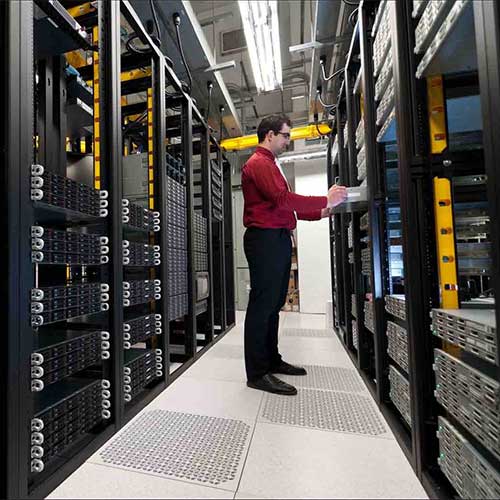
The explosive growth of generative AI is transforming data centers worldwide, as demand for compute power, storage, and ultra-low latency networks reaches unprecedented levels. From text generation to video synthesis and real-time audio processing, AI applications are driving a new era of digital infrastructure.
Daily AI usage crossed billions of queries in 2025, and training large models now requires massive GPU clusters. For instance, modern foundation models can consume tens of thousands of high-end GPUs for weeks during training, while inference workloads scale even larger as millions of users interact with AI systems in real time.
Different AI workloads impose distinct infrastructure demands. Text-based AI requires low-latency compute clusters, video generation needs sustained high floating-point performance, and audio deepfake systems demand real-time processing pipelines. Image generation platforms, serving millions of users, also consume significant energy per output.
To meet these needs, data center design has rapidly evolved. Power density per rack has increased tenfold over the past five years, making liquid cooling essential for high-performance AI racks. High-speed networking has also advanced, with next-generation Ethernet and AI-specific fabrics reducing latency and improving throughput.
Hyperscalers are racing to develop custom AI chips and architectures to improve performance per watt, while global cloud providers continue expanding large-scale AI clusters. In India, emerging AI-focused data center campuses are delivering hundreds of megawatts of liquid-cooled capacity to support local startups and enterprises.
However, sustainability concerns are intensifying. Training large AI models consumes enormous electricity, comparable to the annual energy use of hundreds of thousands of homes. Operators are exploring nuclear, geothermal, and other low-carbon energy sources to meet demand.
Edge AI is also gaining momentum, with AI inference moving closer to devices such as smartphones, creating hybrid cloud–edge architectures. This shift requires modular, scalable data center designs that can adapt to evolving workloads.
India’s growing AI data center pipeline positions the country as a regional hub, but grid upgrades and energy infrastructure remain critical challenges. Efficiency targets are tightening, with operators aiming for ultra-low power usage effectiveness and water-free cooling.
As generative AI accelerates toward exascale and beyond, data centers are becoming the backbone of the AI economy, redefining how digital infrastructure is built, powered, and managed.

See What’s Next in Tech With the Fast Forward Newsletter







Tweets From @varindiamag
Nothing to see here - yet
When they Tweet, their Tweets will show up here.