
E-Commerce

Consumers across Asia Pacific are increasingly using artificial intelligence to discover and compare products, but concerns around security, transparency and data use are limiting trust in AI-driven checkout and payments, according to new research released by Visa.
The survey highlights a growing divide between AI-powered product discovery and payment execution, as the region accelerates toward digital and mobile-first commerce. While AI is becoming a common tool for browsing and decision-making, many consumers remain cautious about allowing the technology to handle sensitive financial and personal information.
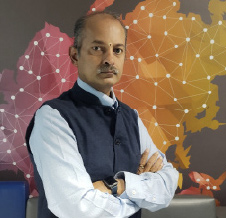
“The way people shop is changing quickly, with AI now playing a growing role in how consumers discover and choose products,” said T.R. Ramachandran, Head of Products and Solutions for Asia Pacific at Visa. “But as AI becomes part of the checkout experience, trust and control become even more important.”
According to the research, 74% of consumers in Asia Pacific already use AI-enabled tools to discover, track or learn about products. However, 26% are unsure whether AI recommendations fully align with their interests, signalling a demand for greater transparency and user control in AI-powered shopping experiences.
The study found that hesitation is more pronounced among affluent and digitally savvy consumers. About 39% of higher-income households expressed stronger expectations around how their data is used, compared with 29% among lower-income groups. Digitally mature markets such as Australia, New Zealand and Singapore also showed above-average caution toward AI-enabled commerce.
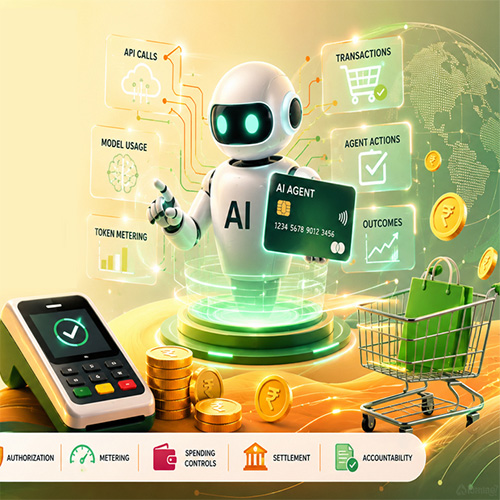
Visa said the findings underline the need for trusted frameworks that connect consumers, AI agents and merchants securely. The company is positioning initiatives such as Visa Intelligent Commerce and its Trusted Agent Protocol as a way to provide a scalable trust layer for AI-driven transactions.
The research shows that while consumers are comfortable using AI for price comparisons and understanding product features, confidence drops sharply at the point of payment. Around 32% of respondents said they were reluctant to share personal or payment information with AI systems, while 45% said stronger assurances around payment security would make them more open to AI-powered or agentic commerce.
“AI can successfully drive discovery, but trust is what ultimately decides the checkout,” Ramachandran said, adding that secure authentication and transparent data usage are critical to converting interest into transactions.
Openness to AI-driven commerce varies widely across the region. Emerging markets such as India and Vietnam lead in adoption appetite, with 42% of consumers in each market open to using AI for online purchases. In contrast, digitally advanced economies show greater restraint, with only 14% of consumers in Singapore and Japan and 16% in New Zealand expressing interest in agentic commerce.
Visa said the disparity suggests that digital maturity does not automatically translate into trust. In more developed markets, higher expectations around privacy, data protection and control are shaping consumer behaviour.
The survey concludes that as AI becomes a more integral part of commerce, payment security will be the strongest enabler of broader adoption. Visa said technologies such as tokenisation and passkey-based authentication will play a key role in helping consumers feel confident as AI-powered shopping moves from experimentation to everyday use.
The survey highlights a growing divide between AI-powered product discovery and payment execution, as the region accelerates toward digital and mobile-first commerce. While AI is becoming a common tool for browsing and decision-making, many consumers remain cautious about allowing the technology to handle sensitive financial and personal information.
“The way people shop is changing quickly, with AI now playing a growing role in how consumers discover and choose products,” said T.R. Ramachandran, Head of Products and Solutions for Asia Pacific at Visa. “But as AI becomes part of the checkout experience, trust and control become even more important.”
According to the research, 74% of consumers in Asia Pacific already use AI-enabled tools to discover, track or learn about products. However, 26% are unsure whether AI recommendations fully align with their interests, signalling a demand for greater transparency and user control in AI-powered shopping experiences.
The study found that hesitation is more pronounced among affluent and digitally savvy consumers. About 39% of higher-income households expressed stronger expectations around how their data is used, compared with 29% among lower-income groups. Digitally mature markets such as Australia, New Zealand and Singapore also showed above-average caution toward AI-enabled commerce.
Visa said the findings underline the need for trusted frameworks that connect consumers, AI agents and merchants securely. The company is positioning initiatives such as Visa Intelligent Commerce and its Trusted Agent Protocol as a way to provide a scalable trust layer for AI-driven transactions.
The research shows that while consumers are comfortable using AI for price comparisons and understanding product features, confidence drops sharply at the point of payment. Around 32% of respondents said they were reluctant to share personal or payment information with AI systems, while 45% said stronger assurances around payment security would make them more open to AI-powered or agentic commerce.
“AI can successfully drive discovery, but trust is what ultimately decides the checkout,” Ramachandran said, adding that secure authentication and transparent data usage are critical to converting interest into transactions.
Openness to AI-driven commerce varies widely across the region. Emerging markets such as India and Vietnam lead in adoption appetite, with 42% of consumers in each market open to using AI for online purchases. In contrast, digitally advanced economies show greater restraint, with only 14% of consumers in Singapore and Japan and 16% in New Zealand expressing interest in agentic commerce.
Visa said the disparity suggests that digital maturity does not automatically translate into trust. In more developed markets, higher expectations around privacy, data protection and control are shaping consumer behaviour.
The survey concludes that as AI becomes a more integral part of commerce, payment security will be the strongest enabler of broader adoption. Visa said technologies such as tokenisation and passkey-based authentication will play a key role in helping consumers feel confident as AI-powered shopping moves from experimentation to everyday use.

See What’s Next in Tech With the Fast Forward Newsletter








Tweets From @varindiamag
Nothing to see here - yet
When they Tweet, their Tweets will show up here.