Following a Madhya Pradesh investigation that exposed illegal SIM activation using citizens' documents, the telecom department has flagged strict penalties under the 2023 Act and urged people to verify their mobile connections through Sanchar Saathi.
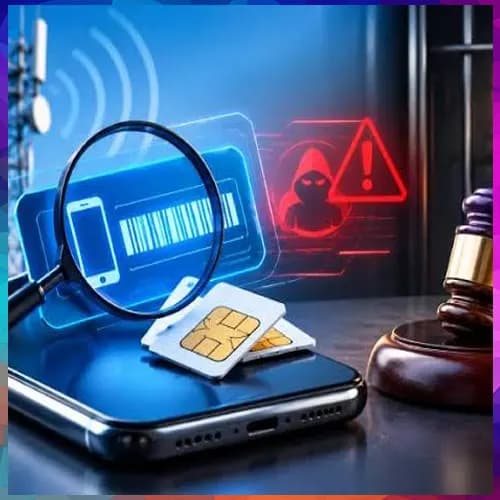
The Department of Telecommunications (DoT) has issued a public advisory warning against fraudulent SIM card issuance, misuse of telecom identifiers, and tampering with IMEI numbers, cautioning that offenders can face up to three years in prison and fines reaching ₹50 lakh under the Telecommunications Act, 2023.
The warning stems from a cybercrime probe carried out by the DoT's Madhya Pradesh Licensed Service Area office, which traced a case of unauthorised SIM issuance to Chhattisgarh. Investigators found that a point-of-sale agent had activated 25 mobile connections by misusing citizens' identity documents, without informing or seeking consent from the individuals concerned.
Once the fraud came to light, the DoT and telecom operators barred the agent from issuing further connections. The 25 numbers were then screened through the department's Digital Intelligence Platform, and any that raised red flags were sent for re-verification; those that failed this check were switched off.
Heavy penalties apply under telecom law
Officials reiterated that illegal SIM issuance, identifier misuse, and IMEI manipulation are criminal offences carrying serious consequences under current law. The department stressed that adherence to the Telecommunications Act and its associated rules is critical to curbing telecom fraud and preserving a secure network environment for all users.
With mobile and digital services expanding rapidly, authorities noted that misuse of SIMs and device identifiers has become an increasingly pressing threat, capable of endangering both individual users and the broader integrity of telecom infrastructure.
The DoT also cautioned subscribers against lending or transferring SIM cards registered under their name, noting that they could be held legally responsible if such a connection is later used for criminal purposes.
What the DoT wants citizens to avoid
The department listed several practices it wants the public to steer clear of, including buying or assembling devices like SIM boxes with altered IMEI numbers, obtaining SIM cards through forged documents or impersonation, handing over personal SIM cards to others, and using apps or tools to alter Caller Line Identity or similar identifiers.
To help citizens stay protected, the government's Sanchar Saathi initiative offers tools to check all mobile numbers linked to a person's identity and deactivate unfamiliar or unwanted ones. The platform also lets users confirm whether a handset is genuine by checking its IMEI number, revealing details such as brand, model, and manufacturer.
The DoT urged the public to routinely use these tools, available via the Sanchar Saathi web portal and its Android and iOS apps, to guard against unauthorised use of their telecom identity.