
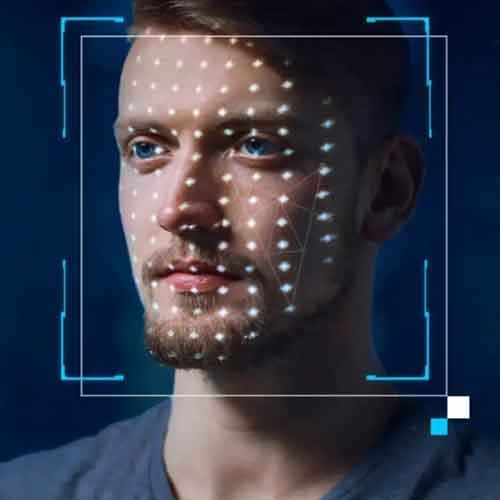
The rapid rise of deepfake videos on social media has created serious risks to public trust, personal reputation, democratic discourse, and mental well-being. From impersonation and misinformation to harassment and fraud, deepfake content is increasingly difficult for humans to identify at scale. To address this challenge, FaceOff can be positioned as a DeepFake Analyser—a responsible AI system designed to detect, measure, and attribute deepfake video activity across digital platforms.
Rather than acting as a surveillance or censorship tool, FaceOff functions as an analytical and evidentiary platform, supporting platforms, regulators, law enforcement, and digital forensics teams.
1. Detecting DeepFake Videos at Scale
FaceOff applies multi-layered AI analysis to identify whether a video is likely authentic, manipulated, or synthetically generated.
Key Detection Capabilities
FaceOff examines deepfake indicators such as:
- Facial landmark inconsistencies and unnatural micro-expressions
- Lip-sync mismatch and temporal desynchronization
- Skin texture anomalies and lighting inconsistencies
- Frame-level artifacts introduced by generative models
- Abnormal head pose transitions and eye-blink patterns
Each video is assigned a DeepFake Confidence Score, allowing analysts to prioritize review rather than relying on binary yes or no decisions.
2. Answering “How Many DeepFake Videos Are Circulating”
FaceOff can ingest video content from:
- Public social media feeds
- Reported or flagged posts
- Platform-provided moderation pipelines
- Lawfully collected open-source intelligence datasets
By continuously analyzing this content, FaceOff generates:
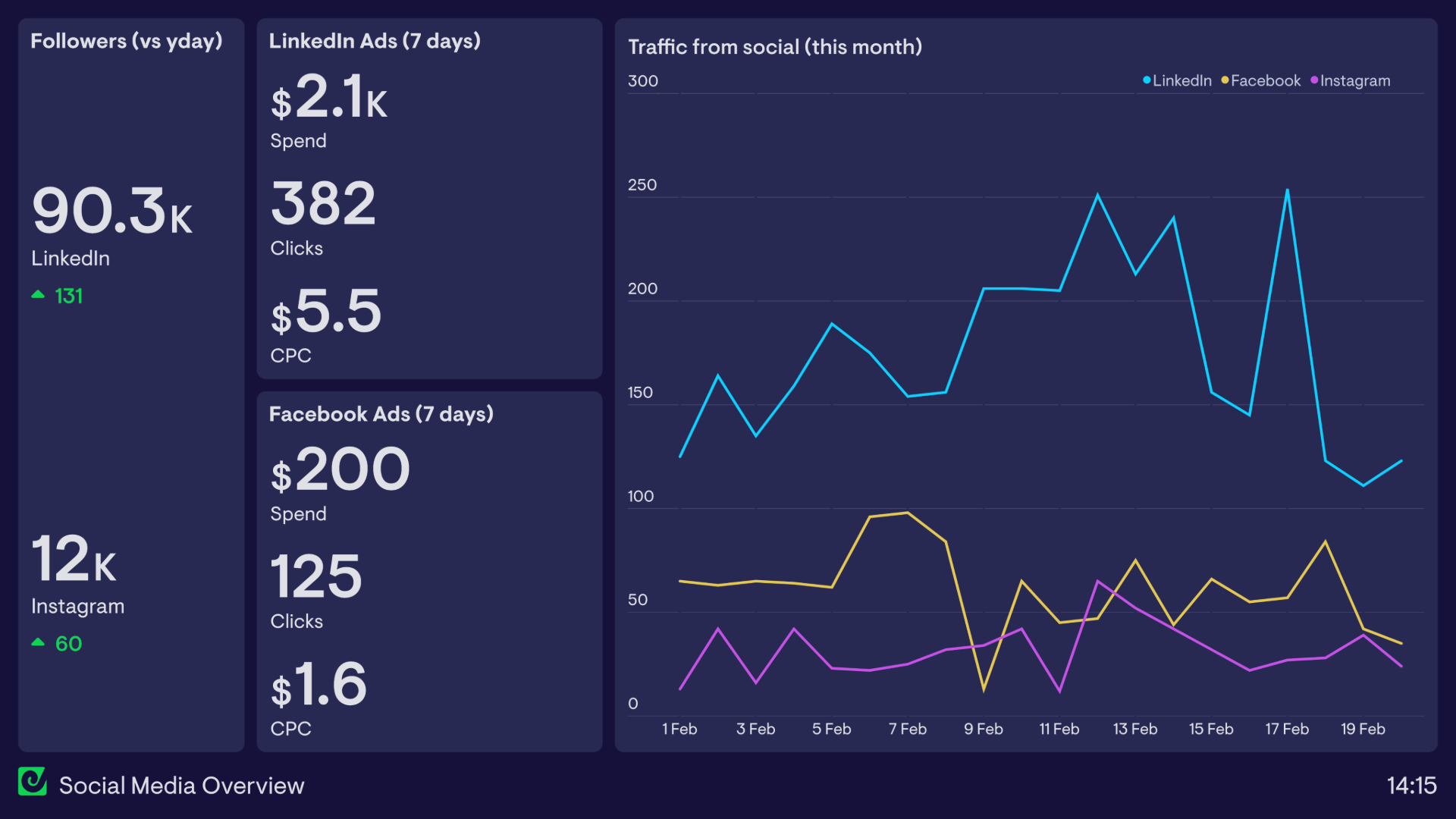
- Total number of suspected deepfake videos detected
- Platform-wise distribution such as YouTube, Instagram, X, Facebook
- Time-based trends showing growth or decline of deepfake activity
- Content category analysis such as political, celebrity, financial fraud, harassment
This enables organizations to move from anecdotal awareness to quantified intelligence on deepfake proliferation.
3. Identifying “Who Is Acting” in DeepFake Videos
One of the most critical questions in deepfake analysis is who appears to be acting in the manipulated content. FaceOff addresses this carefully and lawfully.
Identity Attribution (With Safeguards)
FaceOff does not automatically identify real individuals without authorization. Instead, it supports:
- Face similarity analysis against:
- Consent-based identity repositories
- Public figure datasets where legally permitted
- Victim-provided reference images in complaint cases
- Impersonation detection, where:
- A known person’s facial features appear in synthetic content
- The acting source does not match genuine footage
- The video shows composited or swapped identities
The output is an Impersonation Likelihood Report, not a definitive identity claim, ensuring legal defensibility.
4. Mapping DeepFake Actors and Networks
Beyond individual videos, FaceOff can uncover patterns and networks behind deepfake creation and dissemination.
Behavioral and Network Analysis
FaceOff correlates:
- Repeated face templates used across multiple videos
- Similar generation artifacts indicating the same deepfake model or pipeline
- Posting behavior across multiple social media accounts
- Temporal coordination suggesting organized campaigns
This helps identify:
- Serial deepfake offenders
- Coordinated misinformation or harassment networks
- Repeat targeting of specific individuals or communities
5. Evidence-Grade Reporting for Platforms and Authorities
FaceOff produces forensically sound reports suitable for moderation decisions, investigations, or legal proceedings.
Report Outputs Include
- Video hash and frame-level integrity analysis
- Deepfake confidence scoring methodology
- Visual overlays highlighting manipulation artifacts
- Timeline of dissemination across platforms
- Chain-of-custody logs and audit trails
These reports support content takedown, victim protection, and prosecution, while respecting due process.
6. Privacy, Ethics, and Governance Controls
Given the sensitivity of facial data and social media content, FaceOff is designed with strong safeguards:
- Analysis of only lawfully obtained or platform-authorized content
- Role-based access to identity-related insights
- No mass facial recognition of private individuals
- Compliance with data protection and cyber laws
- Clear distinction between detection, attribution, and enforcement
FaceOff acts as a decision-support system, not a judge or executioner.
7. Use Cases Enabled by FaceOff DeepFake Analyser
- Social media platform moderation teams
- Law enforcement cybercrime units
- Election integrity monitoring bodies
- Media organizations verifying viral content
- Corporate brand and executive protection
- Victim support and reputation management cells
Conclusion: From Viral Deception to Verifiable Truth
Deepfakes thrive in environments of scale, speed, and ambiguity. FaceOff counters this by bringing structure, evidence, and accountability to the digital ecosystem.
By detecting how many deepfake videos are circulating, identifying who appears to be acting in them, and mapping who is behind their creation, FaceOff transforms deepfake response from reactive panic to proactive governance.
Used responsibly, FaceOff can help restore trust in digital media—without compromising privacy, free expression, or human rights.