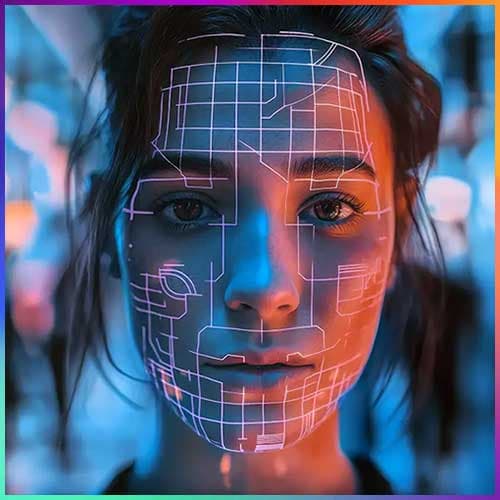
The video, which shows a manipulated clip of a Pakistan Army officer discussing aircraft losses and strategic operations, is being circulated with false claims. Official sources have not released any such statement.
A deepfake video featuring a uniformed Pakistan Army officer has gone viral on social media, prompting discussions on military transparency and regional stability. The video falsely claims to show an official military announcement confirming the loss of two JF-17 Thunder aircraft during active duty and detailing strategic engagements along the eastern corridor.
What Does The Video Show?
The manipulated video portrays a Pakistan Army officer stating that the military has confirmed the loss of two JF-17 aircraft. The officer in the deepfake is made to emphasize the "emotional impact" and "human cost" of these losses, framing them as more than just statistics. Furthermore, the fake video includes statements about "intense engagement along the eastern corridor" and claims these operations are crucial for enhancing regional stability and deterring "adversarial actions."
However, the video is a sophisticated deepfake. The audio has been synthetically generated to clone the officer's voice, and the lip movements have been altered to match the fabricated script. The intent appears to be to create a false narrative of significant military losses and heightened tensions, potentially to sow confusion or undermine confidence in the institution.
Official Position and Fact Check
No such official announcement has been made by the Pakistan Military's public relations wing (ISPR) or any other verified government channel. The circulation of this video is a clear case of misinformation. Citizens and media are advised to treat this video with extreme caution and avoid sharing it further.
How to Identify Such Deepfakes?
Combating such fake news requires vigilance. Here’s how you can spot a deepfake:
-
Verify the Source: Always check if the video is from an official channel like the ISPR website or its verified social media accounts. Content from unknown sources or unverified platforms is highly suspect.
-
Look for Inconsistencies: Deepfakes often have slight visual glitches. Look for unnatural facial movements, mismatched lip-syncing, a robotic tone in the voice, or blinking that seems irregular.
-
Check the Context: Cross-reference the claims in the video with reports from reputable news organizations. If a significant event like the loss of aircraft occurred, it would be reported by multiple credible sources, not just a single viral video.
-
Reverse Video Search: Use tools to perform a reverse image or video search on key frames from the clip. This can help trace if the original video has been altered or used out of context.
Sharing unverified and manipulated content can have serious consequences for national and regional stability. It is crucial to rely only on official statements for sensitive military and strategic information.