Google has introduced a new passkey feature for Android devices and Chrome to offer additional security to users. The feature is currently only available for developers and Google is planning to offer it to regular users later this year.
SUNDAY, 29 NOVEMBER 2026

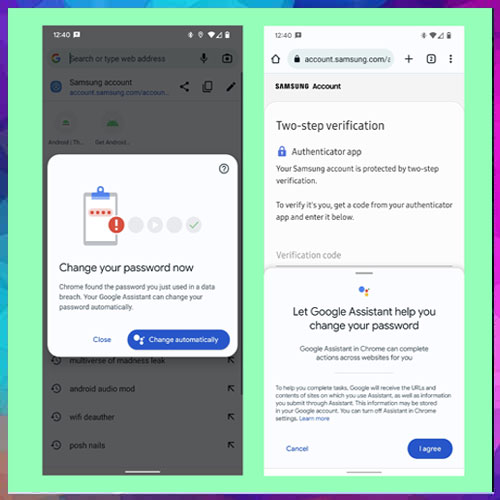
Google has introduced a new passkey feature for Android devices and Chrome to offer additional security to users. The feature is currently only available for developers and Google is planning to offer it to regular users later this year.
People will be able to use this option to authenticate their identity by using PINs or biometric authentication to log in to any website or app instead of using a password. Google will also release an API for native Android apps, which will allow mobile applications to use web passkeys to log in.
The developers can now enroll in the Google Play Services beta to test the new authentication standard for their Android apps. Web admins can also build passkey support on their sites for end-users using Chrome via the WebAuthn API, on Android and other supported platforms. For enterprises, the introduction of passkeys to the Chrome and Android ecosystem will make it much more difficult for cybercriminals to hack their systems.
Google says, “A passkey is a cryptographic private key. In most cases, this private key lives only on the user’s own devices, such as laptops or mobile phones. When a passkey is created, only its corresponding public key is stored by the online service. During login, the service uses the public key to verify a signature from the private key. This can only come from one of the user’s devices. Additionally, the user is also required to unlock their device or credential store for this to happen, preventing sign-ins from e.g., a stolen phone.”
Loading comments…
Share your thoughts on this story. Comments are moderated before they appear.
Be respectful. Comments are reviewed before publication, and spam or abusive language will be removed.
Keep reading

Breaking News
1 May 2019

Breaking News
27 September 2022

Breaking News
29 November 2026

Breaking News
29 November 2026