
Artificial intelligence is transforming customer communication as humanlike voice agents increasingly replace rigid automated responses with natural, conversational interactions. Advances in speech recognition, language processing and real-time reasoning are enabling machines to understand questions and respond with greater fluency.
Unlike traditional interactive voice response systems, modern AI voice agents can handle interruptions, recognise conversational context and communicate across multiple languages. These capabilities are opening opportunities in customer support, banking, healthcare, retail and enterprise service operations.
India is emerging as a promising market for voice AI. According to Nasscom's India Voice AI Readiness 2026 findings, 31% of surveyed organisations have reached limited production, while 13% have scaled deployments across multiple customer journeys.
Efficiency Meets the Trust Challenge
The business case is strengthening. The Nasscom survey found that 61% of participating organisations reported reductions exceeding 20% in cost per eligible interaction, highlighting the technology's potential to improve productivity and service accessibility.
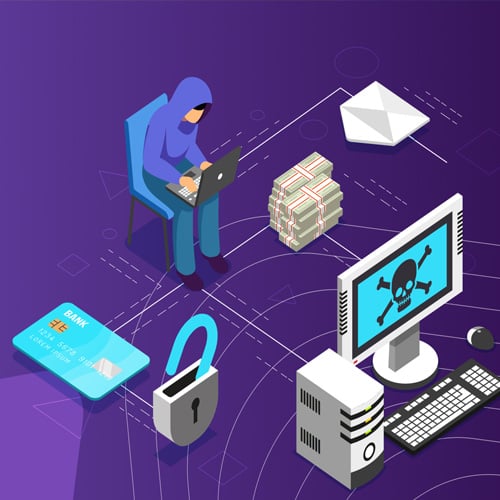
However, increasingly realistic synthetic voices introduce cybersecurity concerns. Criminals could exploit voice cloning, impersonation and automated social engineering to deceive customers, manipulate employees or compromise financial transactions.
Enterprises must therefore integrate transparent AI disclosure, secure authentication, voice deepfake detection, consent management and human escalation mechanisms. Conversational fluency alone cannot establish identity, reliability or trustworthiness.
The next competitive advantage will come from combining humanlike communication with verifiable digital trust.For India's multilingual economy, responsible voice AI adoption could transform customer experiences while creating new opportunities for technology providers, provided security and accountability advance alongside automation.