
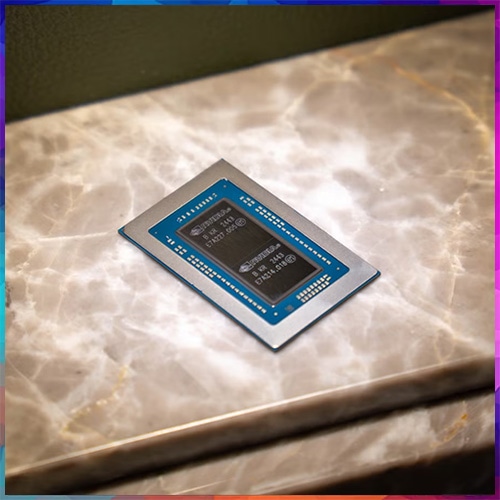
NVIDIA is rethinking the very foundation of personal computers with a bold new architecture that fuses graphics, processing power, and artificial intelligence into one seamless system. Unveiled at GTC Taipei, the RTX Spark represents a major leap toward machines that think and create with unprecedented efficiency.
At its heart lies a powerful combination: a 20-core Grace CPU paired with Blackwell RTX graphics and up to 128GB of unified memory. This design delivers as much as 1 petaflop of AI performance, enabling lightning-fast local AI tasks that once required massive data centers or cloud connections.
Developed in partnership with MediaTek, the technology already powers Microsoft’s Surface Laptop Ultra, which launched on October 16. The integration shows how quickly this innovation is moving from concept to consumer devices, bringing high-end capabilities into everyday laptops.
Unlike traditional PCs that keep CPU and GPU memory separate, RTX Spark allows components to share data far more efficiently. This reduces bottlenecks, speeds up workflows, and makes complex AI models run smoother right on the device without constant internet reliance.
NVIDIA is clear that this does not replace dedicated desktop graphics cards. Instead, it pushes the industry toward more integrated, AI-focused designs that prioritize intelligence and performance in thinner, more capable machines.
The shift signals a future where personal computers become true AI companions—handling creative work, real-time analysis, and advanced applications with ease. Gamers, creators, and professionals stand to gain from systems that no longer struggle under the weight of modern demands.
With RTX Spark, NVIDIA is not just releasing another chip. It is rewriting the rules of how computers are built, paving the way for smarter, faster, and more unified personal computing that feels less like hardware and more like an extension of human capability.