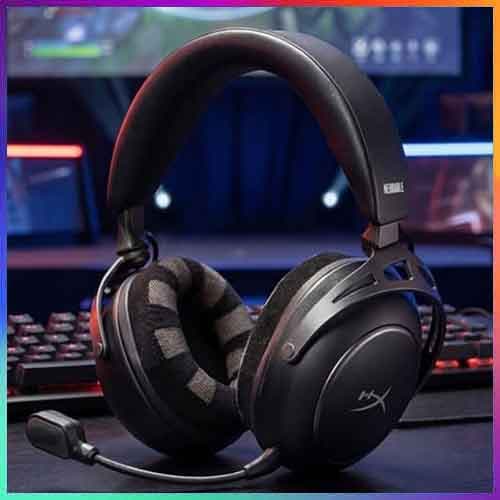
Developed with Neurable, the prototype headset uses brain-signal analysis and AI to monitor concentration and fatigue, giving competitive gamers live feedback to refine performance and training efficiency.
HyperX has revealed a prototype gaming headset at CES 2026 that introduces brain-signal tracking to mainstream gaming hardware. Developed in partnership with neurotechnology firm Neurable, the headset is designed to measure a player’s focus, fatigue, and mental readiness during gameplay using artificial intelligence.
At the core of the system is electroencephalography technology, commonly used in medical and research settings. Unlike traditional EEG equipment, which requires headbands or caps, HyperX has integrated miniature sensors directly into the earcups. These sensors make light contact with the skin around the ears, allowing the headset to capture electrical brain activity without requiring intrusive wearables.
The captured signals are analysed in real time by AI models trained to recognise patterns linked to concentration and cognitive strain. HyperX stressed that the system does not interpret thoughts or emotions, instead providing an estimate of how focused or distracted a player is. This information is then displayed visually, giving players immediate insight into their mental state.
Focused on competitive and esports use
Live demonstrations at CES showed players using the headset during fast-paced aim training games, with on-screen indicators reflecting changes in focus levels. One key feature highlighted was cognitive priming, which prepares players to reach an optimal mental state before gameplay begins.
Neurable claims repeated use of the system can deliver measurable benefits, including faster reaction times and modest improvements in aiming accuracy. The headset can also detect signs of mental fatigue and prompt players to take breaks, a feature aimed at reducing burnout and improving long-term performance.
While the technology may be excessive for casual gamers, its potential appeal lies in professional esports. In competitive titles where mental endurance is critical, even small improvements in focus could offer meaningful advantages.
HyperX emphasised that the headset remains a prototype. Pricing, release timelines, supported games, and long-term comfort have yet to be confirmed, leaving real-world performance and reliability to be tested beyond the show floor.