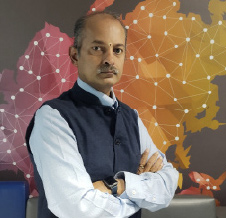



David J. Farber, the American computer scientist widely hailed as the “Grandfather of the Internet,”died on February 7, 2026, in Tokyo at the age of 91. He passed away from heart failure while residing in Japan, where he had been a distinguished professor and co-director of the Cyber Civilization Research Center at Keio University, teaching up until late January.
Farber’s career spanned more than six decades and was foundational in shaping modern computer networking, programming languages and early research networks that evolved into today’s Internet.
Farber’s influence began with his education and early work at the prestigious Stevens Institute of Technology, where he earned degrees in electrical engineering and mathematics before embarking on a prolific career in technology and computer science.
He went on to work at Bell Labs, contributing to the first electronic switching systems, and held key academic positions at leading institutions including the University of California, Irvine, University of Delaware, University of Pennsylvania, and Carnegie Mellon University. Farber was instrumental in organizing and conceptualizing early research networks such as CSNET, NSFNet, and the National Research and Education Network (NREN) — initiatives critical to the Internet’s evolution from experimental research systems to a global public infrastructure.
He also served as Chief Technologist at the U.S. Federal Communications Commission and on influential advisory panels including the U.S. Presidential Advisory Committee on Information Technology and the National Science Foundation.
Farber was not only a builder of technical systems but a mentor to generations of engineers and computer scientists. Many of his students went on to make significant contributions of their own — a key reason he earned the “Grandfather of the Internet” title. He was inducted into the Internet Hall of Fame and received multiple awards for his lifetime achievements in communications and computing.
At age 83, Farber relocated to Japan to continue teaching and researching the cultural and societal implications of cyberspace. He remained active in education and academic life until weeks before his passing, underscoring his lifelong dedication to learning and innovation.
Farber’s legacy is deeply embedded in the global digital infrastructure and the thousands of professionals he influenced. His work helped transform the Internet from a niche research project into the ubiquitous network foundational to modern society.
He is survived by family members who continue to honour his legacy of exploration, education and connectivity.
David Farber’s death marks the end of a remarkable chapter in the history of computing and networking. His career bridged early telecommunications research and the explosive growth of the digital age. While often less publicly recognized than some contemporaries, Farber’s impact was profound — shaping not just the technologies but also the communities and institutions that drove the Internet’s development. His blend of technical innovation, academic mentorship and policy engagement made him a pivotal figure in driving the Internet toward the global utility it is today.

See What’s Next in Tech With the Fast Forward Newsletter






Tweets From @varindiamag
Nothing to see here - yet
When they Tweet, their Tweets will show up here.