
The company is shifting focus to fully native app development on Windows 11, aiming to deliver consistent design, better performance, and a more user-centric experience by reducing reliance on web-based technologies.
Microsoft is moving to strengthen the user experience on Windows 11 by prioritising fully native application development, as part of a broader effort to address long-standing inconsistencies across the platform.
Rudy Huyn, Partner Architect at Microsoft, revealed that a dedicated engineering team is being assembled to design more meaningful and cohesive user experiences. The initiative will emphasise strong product thinking and a deep understanding of user needs, with a clear directive to build applications that are entirely native to the Windows platform.
This marks a notable shift away from the use of web-based technologies such as WebView, which have historically been used alongside native frameworks. While such approaches have been acceptable for third-party applications, their use in core system interfaces has often resulted in fragmented design and uneven performance.
Focus on consistency and performance
By committing to native development, Microsoft aims to create a more unified interface across built-in applications and system features. Native apps are expected to deliver smoother performance, better responsiveness, and improved visual consistency, addressing common user concerns around usability.
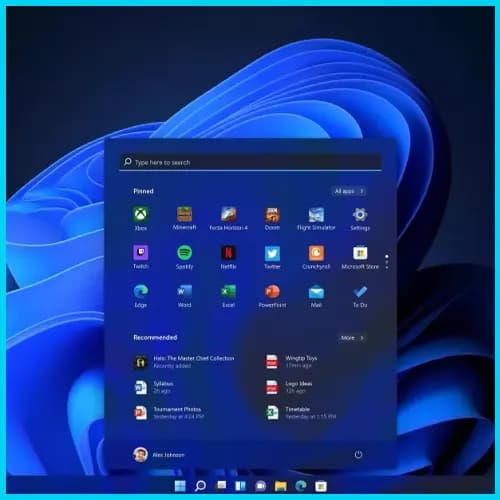
The company has already taken steps in this direction. It is currently rebuilding key elements of the operating system using WinUI, its native user interface framework. Notably, the Windows 11 Start menu is being redesigned using WinUI, replacing earlier implementations that relied on non-native technologies.
In addition, Microsoft has revisited certain feature rollouts after concerns over their reliance on web-based components, signalling a broader internal push towards native-first development.
Part of broader Windows overhaul
The move aligns with Microsoft’s internal “Windows K2” initiative, which focuses on resolving critical issues within Windows 11 and improving overall system stability and ease of use. The effort reflects a renewed emphasis on refining the core experience of the operating system.
However, questions remain around widely used applications such as Outlook, Teams, and Copilot, which currently rely heavily on web-based frameworks. As these apps are developed by different divisions within Microsoft, it remains unclear how they will fit into the company’s native-first strategy.
The success of this initiative will depend on how effectively Microsoft can align its broader ecosystem with this vision, ensuring a consistent and high-quality experience across all Windows interfaces.