
Seagate Technology has announced it is expanding the open source program associated with its Seagate Kinetic Open Storage platform to include API (application programming interface) and libraries. By expanding the platform’s open source initiatives, the company is taking the next big step in fully-enabling software and hardware partners to leverage the new key/ value programing interface and integrate it into cloud software stacks, additional devices and new systems.
“Seagate is committed to the Kinetic platform and we see enormous potential in opening it up to developers around the world to provide them with the ability to deliver breakthrough cloud storage architectures,” said Mark Re, Seagate’s chief technology officer. “We believe in driving open source innovation and empowering a vibrant ecosystem of system builders and software developers with the tools they need to deploy cutting-edge storage solutions and drive this truly revolutionary platform.”
Following up on contributions to interface specifications contributed to Open Compute Project earlier this year, Seagate is opening the platform’s API, libraries and simulator technologies and enabling the OpenStack community to design, test, and deliver applications and system designs built upon Seagate Kinetic technology. The result is a simple, cost-effective path to object-based solution development at a reduced time to market.
The release of the API and associated libraries will expose source code for various software development languages enabling storage software to talk directly to a Kinetic drive. The Kinetic Open Storage API encourages both software and hardware suppliers to get involved and integrate Kinetic commands into their solutions. The libraries being released today include support for the C++, Java, and Python languages. The open source libraries also encourages developers to leverage the protocol directly and write their own libraries if desired.
Keep reading
Related stories
Techno Blogging
SIR Controversy Deepens for Election Commission
26 September 2026
Breaking News
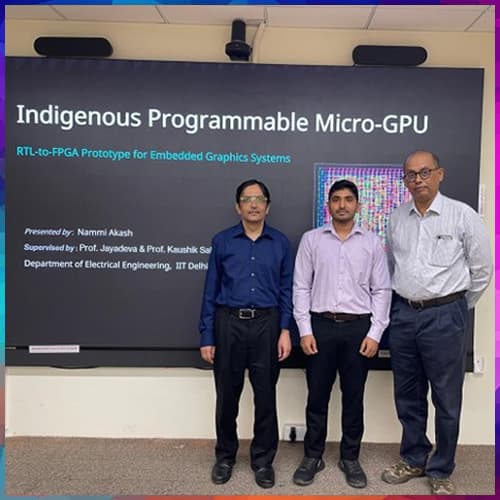
IIT Delhi develops India's first indigenously designed micro-GPU from a university
26 September 2026

Breaking News
Oracle issues force majeure notice over delays at Stargate's New Mexico data center
26 September 2026

Breaking News
YouTube expands shopping affiliate programme in India, adds Amazon and more retailers
26 September 2026