
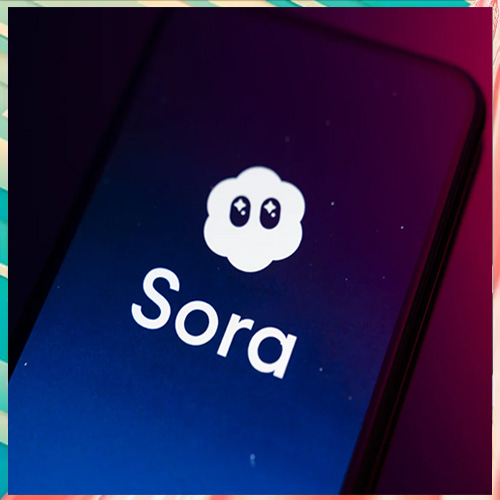
OpenAI has expanded its short AI video creation app, Sora, to Android users across select countries. The move follows massive global demand since its iOS debut, as the company continues refining its deepfake and copyright safeguards
OpenAI has officially rolled out its AI-driven short video creation app, Sora, to Android users, marking a major step in the company’s push to make its generative media tools more widely accessible. The app, previously exclusive to iPhone users, is now available for download on the Google Play Store in the United States, Canada, Japan, South Korea, Taiwan, Thailand, and Vietnam.
Despite its growing global popularity, Sora is not yet available in India—OpenAI’s second-largest user base—and the company has not announced when the Android version will launch there.
The app, launched alongside OpenAI’s Sora 2 model in September, quickly became a viral hit, surpassing one million downloads within five days and dominating the App Store charts for nearly three weeks.
AI-powered video creation made simple
Sora enables users to generate up to 60-second AI videos from text prompts or static images, complete with automatically created soundtracks. The app also includes a “Cameos” feature that lets users generate AI videos of themselves—or their friends—performing various actions. Other creative options include video remixing, applying visual styles, and sharing clips directly to social media platforms.
Free-tier users can access basic video generation tools, while ChatGPT Plus subscribers enjoy longer video durations and faster rendering times.
Addressing deepfake and copyright concerns
While Sora’s ease of use has drawn massive attention, it has also sparked ethical and legal concerns. Following the app’s initial release, OpenAI faced backlash after users created inappropriate AI-generated videos of Martin Luther King Jr., prompting the company to suspend certain types of content.
Initially, Sora allowed copyrighted material to be used unless creators opted out, but after widespread criticism, OpenAI has shifted to an opt-in policy—requiring explicit consent from rights holders before their content can be included in AI training data.
The Android release underscores OpenAI’s ongoing effort to balance innovation in AI media generation with responsible content moderation and creator protections.

See What’s Next in Tech With the Fast Forward Newsletter






Tweets From @varindiamag
Nothing to see here - yet
When they Tweet, their Tweets will show up here.