

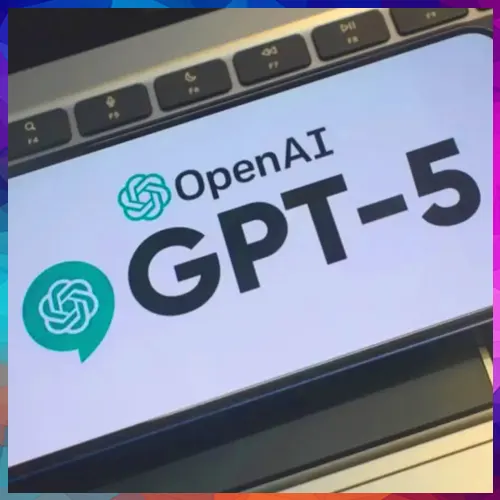
OpenAI will phase out GPT-4o and several older models from ChatGPT starting February 13, consolidating usage around newer GPT-5 versions as it focuses on improved personalisation, creative performance, and refined user experience.
OpenAI has announced plans to retire several older artificial intelligence models from ChatGPT, including GPT-4o, GPT-4.1, GPT-4.1 mini and OpenAI o4-mini, effective February 13. The move is part of the company’s broader effort to streamline model usage and concentrate development around its latest GPT-5 series.
The retirement follows earlier decisions to discontinue GPT-5 Instant and GPT-5 Thinking. OpenAI clarified that the changes will not affect its application programming interface, allowing developers to continue using existing integrations without disruption. According to the company, user activity has increasingly shifted toward newer versions, with GPT-5.2 now accounting for nearly all daily usage on the platform.
GPT-4o, once a flagship model for ChatGPT, has seen a sharp decline in adoption as users gravitated to newer releases offering enhanced performance and flexibility. OpenAI said only a small fraction of users continue to actively select GPT-4o.
User feedback shapes newer GPT-5 models
OpenAI acknowledged that GPT-4o retained a loyal following, particularly among Plus and Pro subscribers who valued its conversational tone and suitability for creative tasks. Based on user feedback, the company briefly restored access to allow customers more time to transition workflows such as creative ideation and long-form interactions.
That feedback, OpenAI said, directly influenced improvements in GPT-5.1 and GPT-5.2. Newer models now offer greater control over ChatGPT’s tone and personality, including selectable base styles and adjustable levels of warmth and enthusiasm. The company is also refining model behavior to reduce overly cautious responses and unnecessary refusals, aiming for more natural and expressive interactions.
OpenAI is additionally working toward a version of ChatGPT designed specifically for adult users, with expanded choice and flexibility within defined safeguards. As part of this effort, age prediction systems for users under 18 have already been rolled out in most markets.
While acknowledging that retiring GPT-4o may disappoint some users, OpenAI said the decision allows it to focus resources on improving the models most widely used today, accelerating innovation across creativity, personalization, and overall user experience.

See What’s Next in Tech With the Fast Forward Newsletter






Tweets From @varindiamag
Nothing to see here - yet
When they Tweet, their Tweets will show up here.