

PAN 2.0 QR Code Under Scrutiny as Reports Claim It Can Be Breached Without Official Scanner
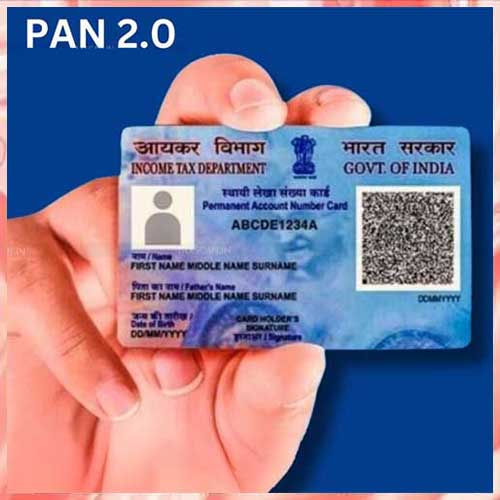
New concerns have emerged over India’s PAN 2.0 rollout, after reports suggested that the QR code embedded in the upgraded PAN cards may not be as secure as claimed. Although the government asserts that only its authorized app can read the QR code, security analysts argue that this protection is already being bypassed by fraudsters.
What Is PAN 2.0 and Why the QR Code Matters
The PAN 2.0 project, approved by the Union Cabinet, introduces a new QR code on PAN cards. The move, part of a larger digital modernization effort, is intended to strengthen identity verification and reduce fraud.
According to official sources, the QR code stores encrypted personal data—including the holder’s name, photo, signature, and date of birth—and can be read only by a dedicated “PAN QR Reader” application. These embedded details are supposed to make it difficult to fake or tamper with PAN cards.
Allegations: Fraudsters Can Read QR Data Without the App
Despite these assurances, multiple security experts and reports claim that fraudsters are already decoding the new PAN QR codes using third-party tools—without using the official scanner.
The core of the issue lies in how QR codes generally work. QR codes encode data in a way that any sufficiently capable QR reader can decode. Wikipedia If the QR content is not properly protected, it can be read just like any other QR code. Critics say the PAN 2.0 QR codes may not have strong enough encryption or access control to prevent such misuse.
Government Claims vs Reality
Government Position:
- PAN 2.0 is designed to prevent fraud by embedding encrypted data in the QR code, accessible only through the sanctioned scanner. Business Today+1
- Existing PAN cards will remain valid, and additional security is offered without cost.
Counter-Argument:
- Experts warn that if the QR content is simply base64 or lightly encrypted, it can be decoded by malicious actors using standard QR-reading apps.
- There is a risk that attackers could harvest sensitive data from PAN cards in bulk, especially during offline or in-person interactions.
- Some critics say the “only-authorized-app” claim gives users false confidence, even as real-world tools already exist to read QR codes.
Why This Matters
- Identity Theft Risk: If scammers can decode PAN QR codes, they may collect personal information to perpetrate identity theft or other financial fraud.
- Erosion of Trust: The promise of a secure, tamper-resistant PAN card is central to the government’s vision for PAN 2.0. Breaches undermine public trust in the system.
- Regulatory Implications: If proven, such vulnerabilities could prompt regulators to demand stronger encryption or restrict the kind of data stored in the QR code.
What Can PAN Holders Do
- Treat your PAN card like any other sensitive identity document. Be careful who you show it to or allow to scan the QR code.
- If asked to scan your PAN QR code, insist on using the official PAN QR reader app; avoid ad-hoc or unknown apps.
- Stay informed about cybersecurity advisories from tax authorities and report any suspicious behavior to appropriate agencies.
Verdict
While PAN 2.0’s QR code was introduced with strong anti-fraud intent, early evidence suggests its security promise may not be bulletproof. The fact that QR data could be read with standard tools undermines claims that only an approved scanner can access the PAN details. For now, taxpayers should remain alert—and regulators may need to take a deeper look at how PAN QR data is protected.

See What’s Next in Tech With the Fast Forward Newsletter








Tweets From @varindiamag
Nothing to see here - yet
When they Tweet, their Tweets will show up here.