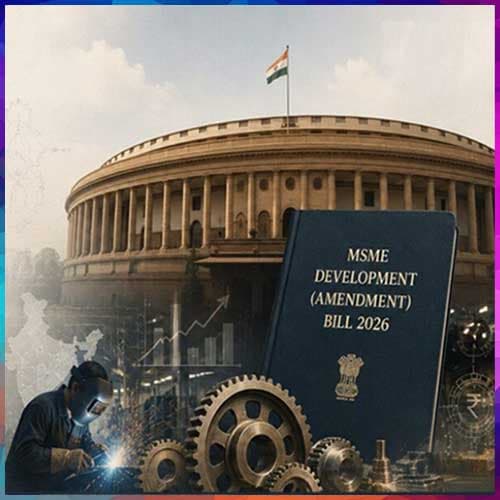
The Rajya Sabha has passed the Micro, Small and Medium Enterprises Development (Amendment) Bill, 2026, marking a significant step toward improving payment discipline for MSMEs. The legislation mandates all Central Public Sector Enterprises (CPSEs) to settle MSME invoices through the Trade Receivables Discounting System (TReDS), introduces strict timelines for dispute resolution, and strengthens enforcement of payment awards.
The reform addresses one of the biggest challenges faced by India's MSMEs-delayed payments. A 2022 report by the Global Alliance for Mass Entrepreneurship (GAME) estimated that ₹10.7 lakh crore was locked in delayed payments annually, with nearly 80% affecting micro and small enterprises. By 2024, the amount had declined to ₹7.34 lakh crore, though delayed payments remain a major concern.
Several recommendations from the GAME report, including mandatory TReDS adoption by large public-sector buyers and faster dispute resolution mechanisms, have now been incorporated into the new law.

While the Bill strengthens the legal framework, experts emphasize that its success will depend on effective implementation. Expanding TReDS adoption, ensuring timely payments by buyers, and accelerating dispute resolution will be critical to improving cash flow, enhancing MSME competitiveness, and fostering a healthier business ecosystem.
In the coming months, GAME, in partnership with Receivables Exchange of India Ltd. (RXIL), plans to engage buyers and sellers across industries to gather feedback and support the effective implementation of these reforms.