
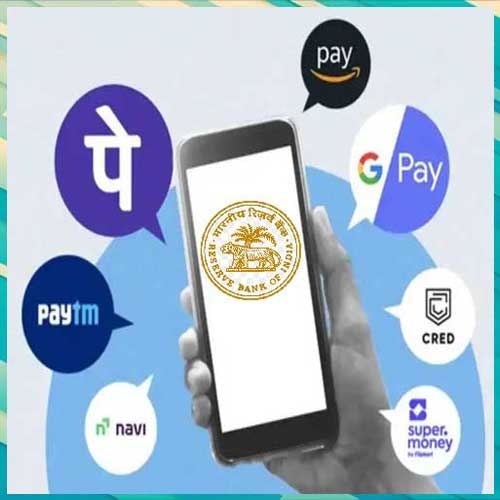
RBI has announced that Prepaid Payment Instruments (PPIs) with full KYC will now be able to make UPI payments through third-party apps. The move underscores the importance of regulatory agility in adapting to the evolving needs of the digital payments landscape.
The Reserve Bank of India (RBI) has recently introduced a significant policy shift, allowing Prepaid Payment Instruments (PPIs) to integrate with Unified Payments Interface (UPI) through third-party applications. This move is set to reshape the digital payments landscape in India, fostering innovation and expanding financial inclusion across the country.
Prepaid Payment Instruments, such as mobile wallets and prepaid cards, have become increasingly popular among Indian consumers for their convenience and ease of use. With the RBI’s new directive, PPIs can now connect to the UPI ecosystem via third-party applications, enabling seamless interoperability and enhancing the overall user experience.
This change will allow PPI users to make transactions directly using UPI IDs linked to their wallets. It will also allow them to use third-party apps such as Google Pay, PhonePe, and Paytm to conduct UPI transactions without the need for a bank account.
The RBI has mandated certain compliance measures for PPIs and third-party apps to ensure secure and transparent transactions such as PPI transactions via UPI will be subject to the same transaction limits as bank-linked UPI accounts. PPI providers must adhere to stringent Know Your Customer (KYC) requirements to prevent fraud. Also, any fees associated with PPI-based UPI transactions must be clearly communicated to users.
This comes after RBI earlier this year proposed allowing linking of PPIs like digital wallets through third-party UPI applications. Earlier this year, RBI also increased the cap on transactions processed on UPI 123Pay to INR 10,000 from INR 5,000 earlier. Similarly, the per transaction limit for UPI Lite has also been raised to INR 1,000 from INR 500 earlier.