

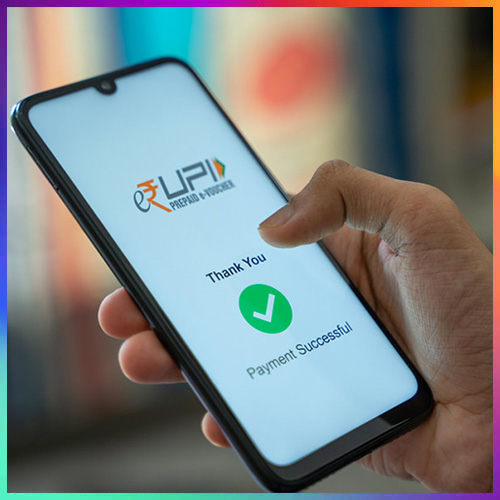
The Reserve Bank of India (RBI) is set to introduce a major reform that will allow teenagers and minors to make UPI payments without holding traditional bank accounts, marking a significant step toward expanding financial inclusion and digital literacy among India’s youth.
Under the proposed framework, minors aged between 10 and 18 years will be able to use Unified Payments Interface (UPI) services through prepaid payment instruments (PPIs) such as digital wallets. These wallets can be loaded with funds by parents or guardians, enabling children to make small-value transactions for online purchases, subscriptions, and daily expenses.
The move is designed to familiarize younger users with digital payments in a safe and controlled manner, while also promoting India’s cashless economy initiative. Transaction limits and spending controls will be set to ensure responsible use, with additional safeguards for fraud prevention and data privacy.
The RBI’s plan also encourages fintech innovation, as payment service providers and wallet operators are expected to develop youth-friendly financial products integrated with education and parental monitoring tools.
Experts view this as a forward-looking initiative that not only nurtures financial discipline from an early age but also brings a new demographic into India’s rapidly growing digital payment ecosystem. Once implemented, the system is expected to empower millions of young Indians to transact digitally—strengthening India’s position as the world’s leading UPI-driven economy.

See What’s Next in Tech With the Fast Forward Newsletter







Tweets From @varindiamag
Nothing to see here - yet
When they Tweet, their Tweets will show up here.