
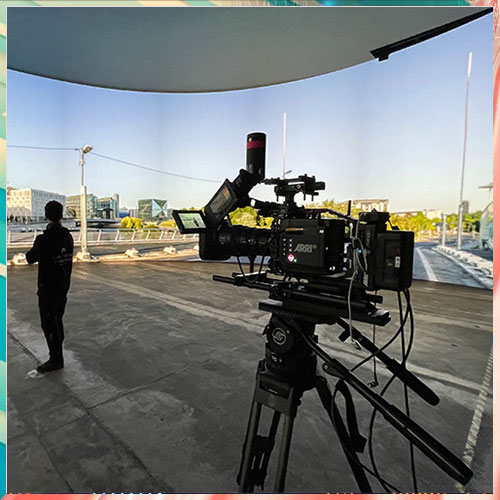
ByteDance’s Seedance 2.0 is being hailed as a breakthrough in generative video. Capable of producing cinematic, multi-shot narratives in 1080p with synchronized audio, the system can turn short prompts into broadcast-ready clips within minutes. Industry watchers say it signals a leap from AI assistance to AI production.
Unlike earlier tools that created fragments, Seedance attempts continuity—consistent characters, evolving scenes, camera logic and sound design. That closes the gap between concept and screen, compressing what traditionally required crews, sets, lighting, post-production and weeks of coordination.
For creators, the upside is extraordinary. Pre-visualisation becomes instant. Independent filmmakers gain access to capabilities once reserved for major studios. Advertising, education and regional storytelling could explode with new entrants.
But disruption rarely arrives without anxiety—especially for the Indian film economy often represented by Bollywood. Large parts of production rely on human intensity: assistant directors, junior artists, set designers, dubbing professionals, editors. If synthetic pipelines mature, some of these roles may shrink or transform dramatically.
There is also the question of authenticity. When faces, performances and locations can be generated or altered effortlessly, audiences may struggle to separate craft from computation. Deepfake misuse, copyright ownership and performer consent will demand stronger regulatory guardrails.
Yet history shows cinema adapts. Sound, colour, CGI and streaming each triggered fears before creating new professions. AI may follow the same path—automating repetition while elevating imagination.
The larger strategic issue is access. If powerful video generation becomes cheap or open source, barriers to entry collapse. India could witness a surge of hyper-local studios, AI-native storytellers and personalised entertainment formats. Competition will intensify, but so will creativity.
Seedance 2.0 therefore represents both a warning and an invitation. The grammar of filmmaking is being rewritten. Those who learn to direct machines, not just actors, may define the next era of screen culture.

See What’s Next in Tech With the Fast Forward Newsletter





Tweets From @varindiamag
Nothing to see here - yet
When they Tweet, their Tweets will show up here.