

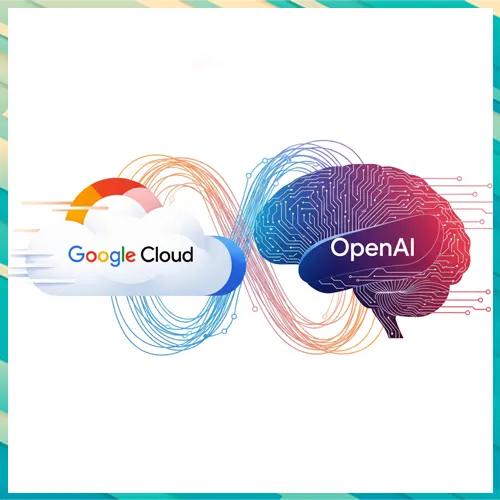
OpenAI is making a bold move into the AI-powered search market with SearchGPT, aiming to challenge Google's dominance. The new service seeks to transform web search by using generative AI to provide direct, conversational answers with contextual links, creating a "knowledge companion" rather than just a list of results. This strategy is designed to appeal to users frustrated by ad-heavy search engines.
However, there's a significant paradox at the heart of this ambition: to compete with Google, OpenAI must reportedly rely on data from Google's own ecosystem. While OpenAI has secured licensing deals with publishers like Reddit and the Financial Times, these sources aren't enough to match the comprehensive, real-time index Google has built over decades. This forces OpenAI to lean on Google's search results—at least in part—to fill its data gaps.
OpenAI's dependence on Google data highlights the immense difficulty of breaking into the search market at scale.
· Google's Unmatched Index: Google has spent decades crawling and indexing the web, creating an infrastructure that is nearly impossible for a new entrant to replicate quickly. Without a comparable index, challengers must inevitably partner with or piggyback off of incumbents.
· Real-Time Data Needs: While OpenAI trains its large language models on diverse datasets, a real-time search engine requires constantly updated web data, which is Google’s strongest competitive advantage.
· The Co-opetition Paradox: OpenAI's reliance on a rival demonstrates the strange "co-opetition" in the AI space. Challengers can't yet escape the gravitational pull of Google's foundational infrastructure.
OpenAI's approach presents both strategic opportunities and potential risks.
· User Experience Advantage: By layering generative AI on top of search results, OpenAI can differentiate its user experience even if its underlying data comes partially from Google.
· Licensing and Legal Risks: Relying on Google data exposes OpenAI to potential contractual and legal risks. If Google tightens its data access, OpenAI's ability to provide competitive results could be severely limited.
· Monetization Pressure: Unlike Google's ad-driven search empire, OpenAI needs to find a sustainable revenue model that doesn't alienate users who are drawn to its ad-free experience.
· Publisher Power Shift: Deals with publishers signal that OpenAI is building alternative data pipelines. As it diversifies its sources, it will reduce its reliance on Google, shifting the balance of power.
The situation underscores a larger theme: data, not just algorithms, is the true competitive edge in AI search. Google has scale, but OpenAI has momentum and innovation. For OpenAI, the long-term challenge is to build enough independent data partnerships to eventually reduce its dependence on its biggest rival.
Moving forward, the paradox remains: to compete with Google, OpenAI must still lean on Google.

See What’s Next in Tech With the Fast Forward Newsletter







Tweets From @varindiamag
Nothing to see here - yet
When they Tweet, their Tweets will show up here.