
Claude Tag signals a fundamental shift in how work gets done, moving AI from a passive assistant to an active digital teammate. Instead of waiting for prompts, AI can now participate directly in team conversations, execute tasks, generate code, analyze data, track incidents, and maintain context across workflows. This evolution could dramatically reduce operational friction, accelerate decision-making, and improve productivity across software development, customer support, cybersecurity, and enterprise operations.
The real breakthrough is contextual continuity. Traditional AI interactions are often isolated and session-based. Claude Tag operates within collaborative environments, preserving institutional knowledge and enabling teams to build upon previous work without repeatedly providing instructions. This could significantly enhance efficiency in complex, multi-person projects.
For enterprises, the implications are profound. Organizations may deploy AI agents as digital co-workers capable of handling routine tasks, monitoring workflows, and proactively identifying gaps or unresolved issues. As adoption grows, AI could become an embedded layer within every business process, helping organizations scale operations without proportional increases in headcount.
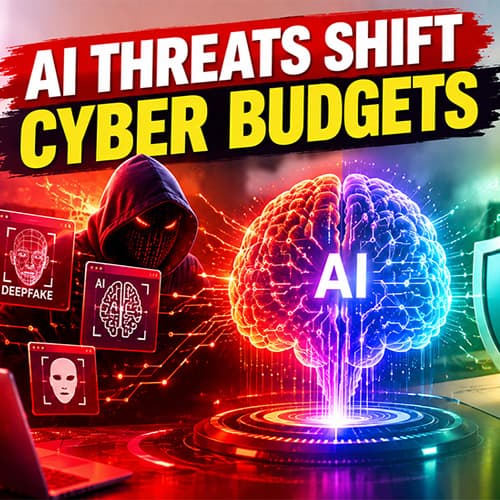
However, this new model introduces substantial risks. AI agents with persistent access to conversations, repositories, documents, and operational systems become attractive targets for cybercriminals. Unauthorized access, prompt injection attacks, data leakage, intellectual property exposure, and accidental execution of harmful actions could have enterprise-wide consequences. The more autonomous the agent, the greater the need for governance and oversight.
The future of collaborative AI will depend on balancing autonomy with trust. Organizations will require strong identity controls, role-based permissions, continuous monitoring, Just-in-Time consent mechanisms, and AI observability frameworks to ensure accountability. While AI teammates promise to revolutionize productivity, their success will ultimately depend on how effectively enterprises manage the security, privacy, and governance challenges that accompany this new era of autonomous work.