
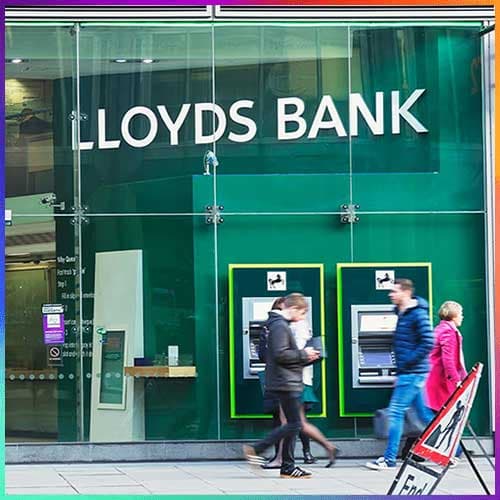
Customers of several leading UK banks, including Lloyds, Barclays, HSBC, Halifax, and Monzo, experienced widespread disruption after a payment outage affected online transfers and Faster Payments services. Thousands of customers reported failed or delayed transactions, while some also encountered problems accessing mobile banking apps and online banking platforms.
According to outage tracking platform Downdetector, reports began rising around midday as customers struggled to complete digital payments. Several users complained that transactions appeared to have failed, creating confusion over whether payments had actually been processed.
Lloyds acknowledged the disruption, confirming that it was investigating an issue affecting Faster Payments, the UK's near real-time interbank payment system. The bank advised customers not to resend payments without first checking whether the original transaction had been completed, warning that duplicate payments could occur if customers attempted multiple transfers.
Monzo also confirmed the incident, stating that it was aware of problems affecting money transfers and that engineering teams were working to restore services as quickly as possible. Other banks, including HSBC, Halifax, and Barclays, also saw a surge in customer complaints relating to payment processing and online banking access.
While the precise cause of the outage has not been officially disclosed, incidents of this nature typically stem from infrastructure failures, software deployment issues, cloud service disruptions, network connectivity problems, or payment gateway malfunctions. At the time of writing, there was no indication that the disruption resulted from a cybersecurity attack.
The incident underscores the growing dependence of modern banking on always-on digital infrastructure. Today's banking ecosystem relies on interconnected payment rails, cloud platforms, APIs, mobile applications, fraud detection engines, and real-time settlement systems. A disruption in any critical component can quickly cascade across multiple financial institutions, affecting millions of customers and businesses.
For consumers, payment outages can delay salary transfers, merchant settlements, bill payments, loan repayments, and person-to-person transfers. Businesses may also face operational challenges, including delayed supplier payments, interrupted cash flows, and customer dissatisfaction.
The disruption also highlights an important distinction between service availability and cybersecurity
Recognizing this evolving risk landscape, regulators worldwide—including the Bank of England, the Financial Conduct Authority (FCA), the Prudential Regulation Authority (PRA), and other global financial supervisors—are placing greater emphasis on operational resilience. Banks are increasingly expected to identify critical business services, strengthen infrastructure redundancy, improve disaster recovery capabilities, and maintain transparent customer communication during service disruptions.
The UK banking outage serves as another reminder that digital trust depends not only on protecting customer information but also on ensuring uninterrupted access to essential financial services. As instant payments become the norm, financial institutions must continue investing in resilient architectures, continuous monitoring, cloud redundancy, and rapid incident response to minimize disruption and maintain customer confidence in the digital banking ecosystem.