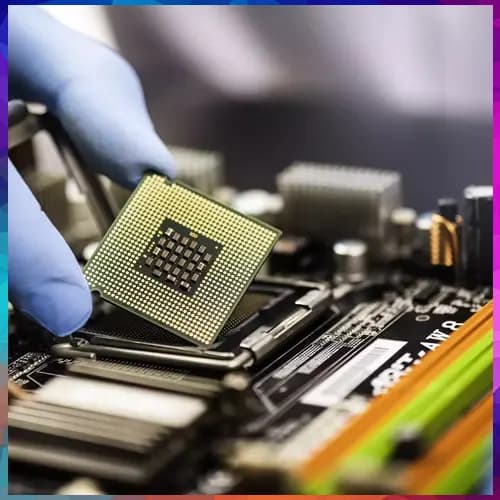

Federal Communications Commission is set to vote later this month on a proposal to prohibit Chinese laboratories from testing electronic devices intended for use in the United States, in a further escalation of technology-related restrictions on China.
The proposed rule would expand earlier measures that already barred testing by labs owned or controlled by the Chinese government. Despite those restrictions, the FCC said a large number of China-based labs continue to handle testing for U.S.-bound electronics, which currently accounts for about 75% of such activity globally.
The vote is scheduled for April 30, after which the agency will seek public feedback before finalizing the rule. Alongside the proposal, the FCC is also considering a streamlined approval process for devices tested in the U.S. or in countries deemed low-risk from a national security perspective.
The move is part of a broader U.S. effort to tighten controls on Chinese involvement in critical technology supply chains. In recent years, the FCC has taken multiple actions targeting Chinese firms, including placing companies such as Huawei, ZTE, Hikvision, and Dahua on its list of entities considered national security risks.
The agency has also moved to restrict imports of certain Chinese-made equipment, including telecommunications gear, drones, and consumer networking devices, as part of a wider policy push to reduce reliance on foreign technology deemed sensitive.
Some affected companies have pushed back against the measures. Hikvision, for instance, has opposed efforts to revoke previously granted approvals, arguing that earlier authorizations were lawful.
The latest proposal underscores intensifying geopolitical tensions around technology, as regulators in the U.S. seek to secure domestic supply chains and limit potential vulnerabilities linked to foreign testing and manufacturing processes.
The proposed rule would expand earlier measures that already barred testing by labs owned or controlled by the Chinese government. Despite those restrictions, the FCC said a large number of China-based labs continue to handle testing for U.S.-bound electronics, which currently accounts for about 75% of such activity globally.
The vote is scheduled for April 30, after which the agency will seek public feedback before finalizing the rule. Alongside the proposal, the FCC is also considering a streamlined approval process for devices tested in the U.S. or in countries deemed low-risk from a national security perspective.
The move is part of a broader U.S. effort to tighten controls on Chinese involvement in critical technology supply chains. In recent years, the FCC has taken multiple actions targeting Chinese firms, including placing companies such as Huawei, ZTE, Hikvision, and Dahua on its list of entities considered national security risks.
The agency has also moved to restrict imports of certain Chinese-made equipment, including telecommunications gear, drones, and consumer networking devices, as part of a wider policy push to reduce reliance on foreign technology deemed sensitive.
Some affected companies have pushed back against the measures. Hikvision, for instance, has opposed efforts to revoke previously granted approvals, arguing that earlier authorizations were lawful.
The latest proposal underscores intensifying geopolitical tensions around technology, as regulators in the U.S. seek to secure domestic supply chains and limit potential vulnerabilities linked to foreign testing and manufacturing processes.