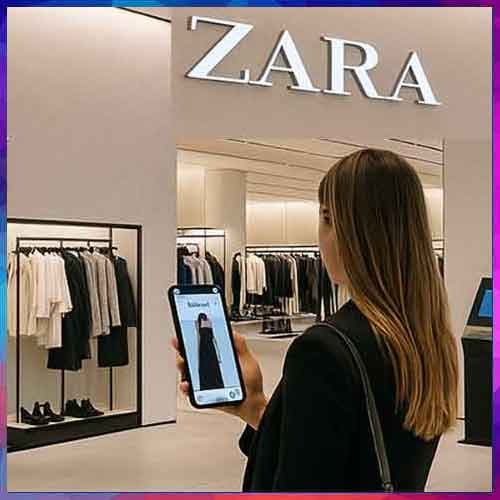
Fashion label Zara has begun using artificial intelligence to digitally adapt images of real models into different outfits, becoming the latest major fashion retailer to experiment with AI-powered content creation as the industry looks to speed up production cycles and reduce costs.
The move places the fast-fashion brand, owned by Spain’s Inditex, alongside rivals such as H&M and online retailer Zalando, both of which have already disclosed the use of AI tools to generate marketing imagery more efficiently. The adoption reflects a broader shift across fashion toward automation and generative technologies, particularly in visual content creation.
Inditex said the technology is being used to enhance, not replace, existing creative workflows. A company spokesperson said Zara is working collaboratively with models, securing consent before using AI to modify their images and compensating them in line with industry standards. The company stressed that AI is intended to complement traditional production processes rather than substitute photographers or creative teams.
The development was first reported by CityAM, which cited a model who said Zara sought permission to use AI to depict them wearing additional outfits without requiring a new photo shoot. According to the report, the model received the same compensation as they would have for an in-person shoot.
Zara’s experimentation follows H&M’s announcement earlier this year that it had created AI “digital twins” of models for marketing use. Zalando has also said AI-generated imagery allows it to respond faster to trends and reduce time-to-market. All three companies have sought to reassure creatives that the technology is designed to improve efficiency rather than eliminate jobs.
However, concerns remain within the photography community. Isabelle Doran, chief executive of the Association of Photographers in London, said AI-generated imagery could reduce the number of commissions for photographers, models, and production crews, potentially affecting both established professionals and newcomers trying to enter the industry.
The issue carries particular resonance for Inditex chair Marta Ortega, who has publicly championed fashion photography. Since 2021, her MOP Foundation gallery in A Coruña—Zara’s birthplace—has hosted exhibitions celebrating renowned photographers including Annie Leibovitz, Steven Meisel, and Helmut Newton. Ortega has also overseen efforts to reposition Zara upmarket, closing smaller stores in favor of fewer, larger flagship locations with a more premium aesthetic.
As AI tools become more deeply embedded in fashion marketing, retailers are increasingly walking a fine line between operational efficiency and preserving the creative ecosystem that has long defined the industry.
The move places the fast-fashion brand, owned by Spain’s Inditex, alongside rivals such as H&M and online retailer Zalando, both of which have already disclosed the use of AI tools to generate marketing imagery more efficiently. The adoption reflects a broader shift across fashion toward automation and generative technologies, particularly in visual content creation.
Inditex said the technology is being used to enhance, not replace, existing creative workflows. A company spokesperson said Zara is working collaboratively with models, securing consent before using AI to modify their images and compensating them in line with industry standards. The company stressed that AI is intended to complement traditional production processes rather than substitute photographers or creative teams.
The development was first reported by CityAM, which cited a model who said Zara sought permission to use AI to depict them wearing additional outfits without requiring a new photo shoot. According to the report, the model received the same compensation as they would have for an in-person shoot.
Zara’s experimentation follows H&M’s announcement earlier this year that it had created AI “digital twins” of models for marketing use. Zalando has also said AI-generated imagery allows it to respond faster to trends and reduce time-to-market. All three companies have sought to reassure creatives that the technology is designed to improve efficiency rather than eliminate jobs.
However, concerns remain within the photography community. Isabelle Doran, chief executive of the Association of Photographers in London, said AI-generated imagery could reduce the number of commissions for photographers, models, and production crews, potentially affecting both established professionals and newcomers trying to enter the industry.
The issue carries particular resonance for Inditex chair Marta Ortega, who has publicly championed fashion photography. Since 2021, her MOP Foundation gallery in A Coruña—Zara’s birthplace—has hosted exhibitions celebrating renowned photographers including Annie Leibovitz, Steven Meisel, and Helmut Newton. Ortega has also overseen efforts to reposition Zara upmarket, closing smaller stores in favor of fewer, larger flagship locations with a more premium aesthetic.
As AI tools become more deeply embedded in fashion marketing, retailers are increasingly walking a fine line between operational efficiency and preserving the creative ecosystem that has long defined the industry.