

How Christie is Shaping India's AV Landscape with Tailored, Reliable, and Immersive Visual Solutions
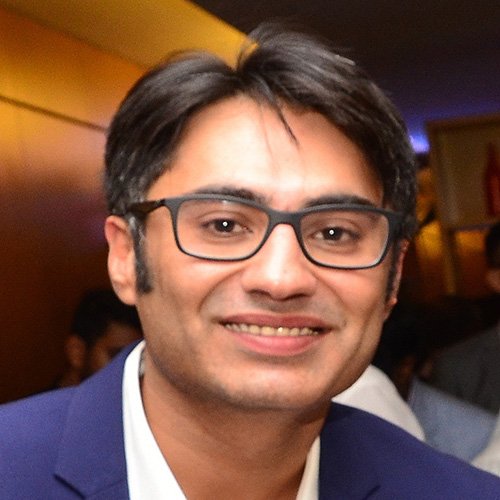
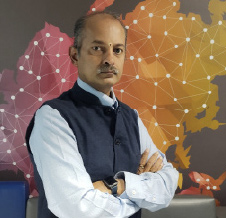
India’s AV market is undergoing a rapid transformation, with government, enterprise, themed entertainment, and cultural tourism all investing in large-format, immersive visual experiences. Within this landscape, Christie is positioning itself as a full-stack visual solutions partner, and Rishubh Nayar, Sales Director – India, is steering the India strategy around secure, scalable, and sustainable AV ecosystems that are easy to integrate yet future-ready.
Tailoring AV for key sectors
Christie’s portfolio spans projection, direct-view LED, and image processing, and Nayar stresses that the priority in India is sector-specific customisation. “In addition to offering one of the broadest ranges of display and projection systems in the industry, our solutions are tailored to the distinctive requirements of each sector through specialised customisation and innovation,” he says. In the government space, he explains, Christie deploys projection and direct-view LED video wall solutions that comply with Trade Agreements Act (TAA) requirements to ensure secure, uninterrupted operations in command centres, control rooms, and briefing facilities.
“In the corporate domain, we address needs for hybrid collaboration, decision-making, and impactful communication by delivering high-performance video walls, collaborative displays, and advanced content processing,” Nayar points out. According to him, these systems are designed to remain scalable and secure, supporting everything from everyday meeting rooms to executive boardrooms, and enabling effective data visualisation and streamlined workflows for modern enterprises.
Reliability for mission-critical environments
Mission-critical environments demand rock-solid reliability and precision, and Nayar emphasises that this is a non‑negotiable design principle. “For the government sector, our solutions are engineered around performance, reliability, and security,” he says, adding that Christie’s secure, TAA-compliant projection and video-wall systems are backed by expert services from design through to maintenance so that “mission-critical operations remain uninterrupted.” He notes that the same philosophy extends to corporate command centres and boardrooms where even minor downtime can have a disproportionate impact.
“We understand the need for maximum uptime and immediate support in case of technical issues,” Nayar explains. “That’s why we provide 24/7/365 technical support, real-time remote monitoring, critical inventory management for fast-tracked parts, routine preventive maintenance, and optional 10+ year extended warranties.” This service backbone, he believes, is a key differentiator in high-stakes environments across India.
Immersive entertainment and attractions
Christie is a trusted name in themed entertainment globally, and India is steadily emerging as a showcase for large-scale immersive experiences. “Christie has been helping organisations deliver world-class AV experiences by providing advanced projection and display solutions, combined with professional services support from design through deployment,” says Nayar. Citing the Indian market, he points to Wonderla Amusement Park in Hyderabad, where the ‘Mission Interstellar’ dark ride features a massive parabolic screen powered by a Christie 4K RGB laser projector. “This is the first ride of its kind in India to install an advanced RGB pure laser projection system, enabling incredibly vivid visuals and immersive storytelling on an unprecedented scale,” he notes.
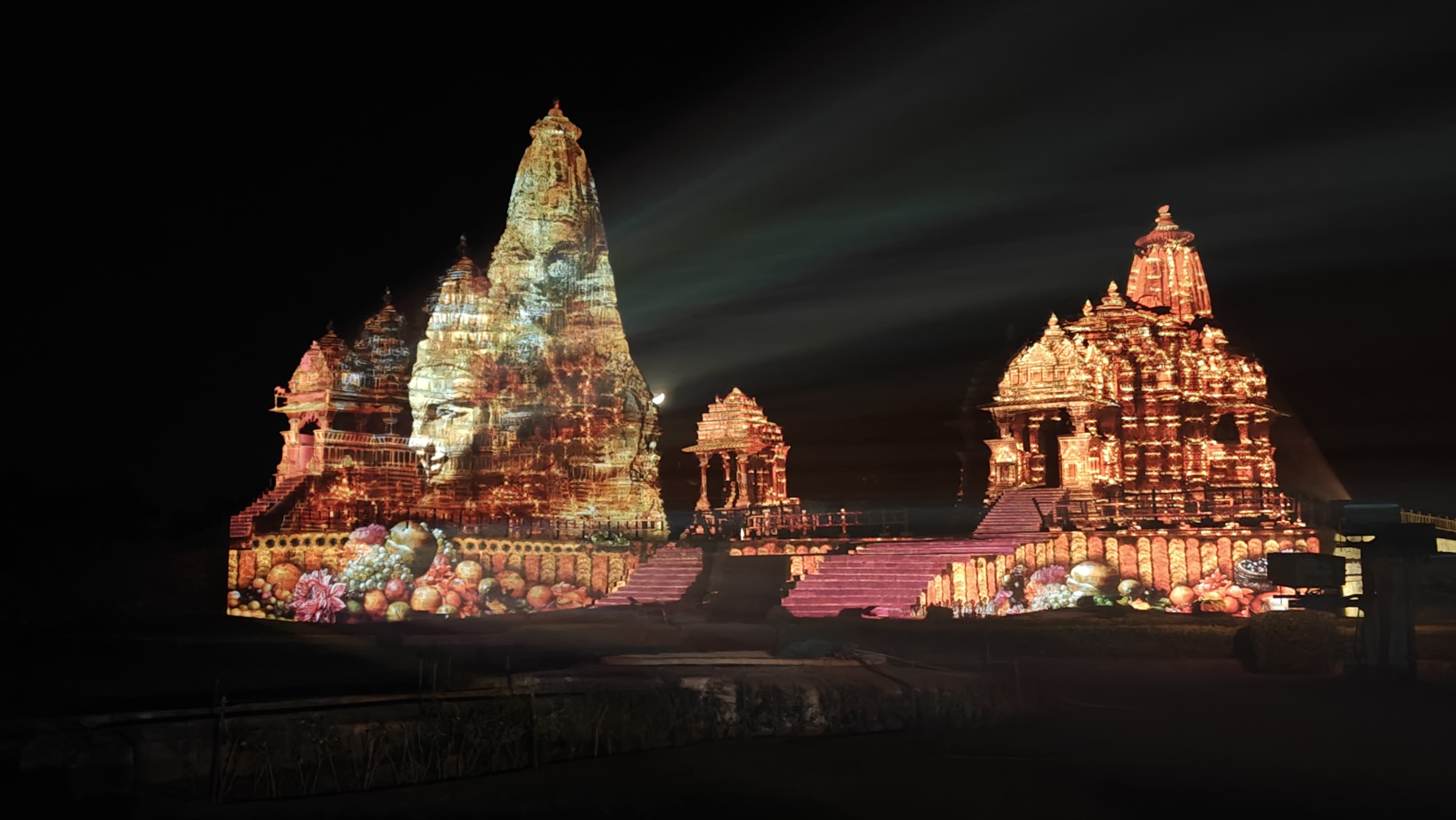
Photo credit: Tricolor India Schauspiel
Nayar adds that Christie’s high-brightness laser projectors are also behind several Son et lumière shows at heritage sites. “At the UNESCO World Heritage Khajuraho Temples in Madhya Pradesh, our 23,650-lumen laser projectors enable large-scale 3D projection mapping and animated sequences that narrate the monument’s storied past,” he says. The result, he adds, is a night-time experience that blends heritage conservation with cutting-edge AV, a trend increasingly visible at monuments and tourism hubs across India.
Cultural tourism and immersive storytelling
Museums and cultural institutions are also turning to immersive AV to attract and engage new audiences. “Museums and cultural institutions are increasingly embracing immersive storytelling to deepen visitor engagement, and projection mapping and advanced AV technologies are at the heart of that transformation,” Nayar observes. At Delhi’s Old Fort, Christie 3DLP laser projectors powered a 25-minute projection mapping show that illuminated the historic façade with vibrant content celebrating India’s independence, marking Christie’s 150th permanent projection-mapping installation in the country.
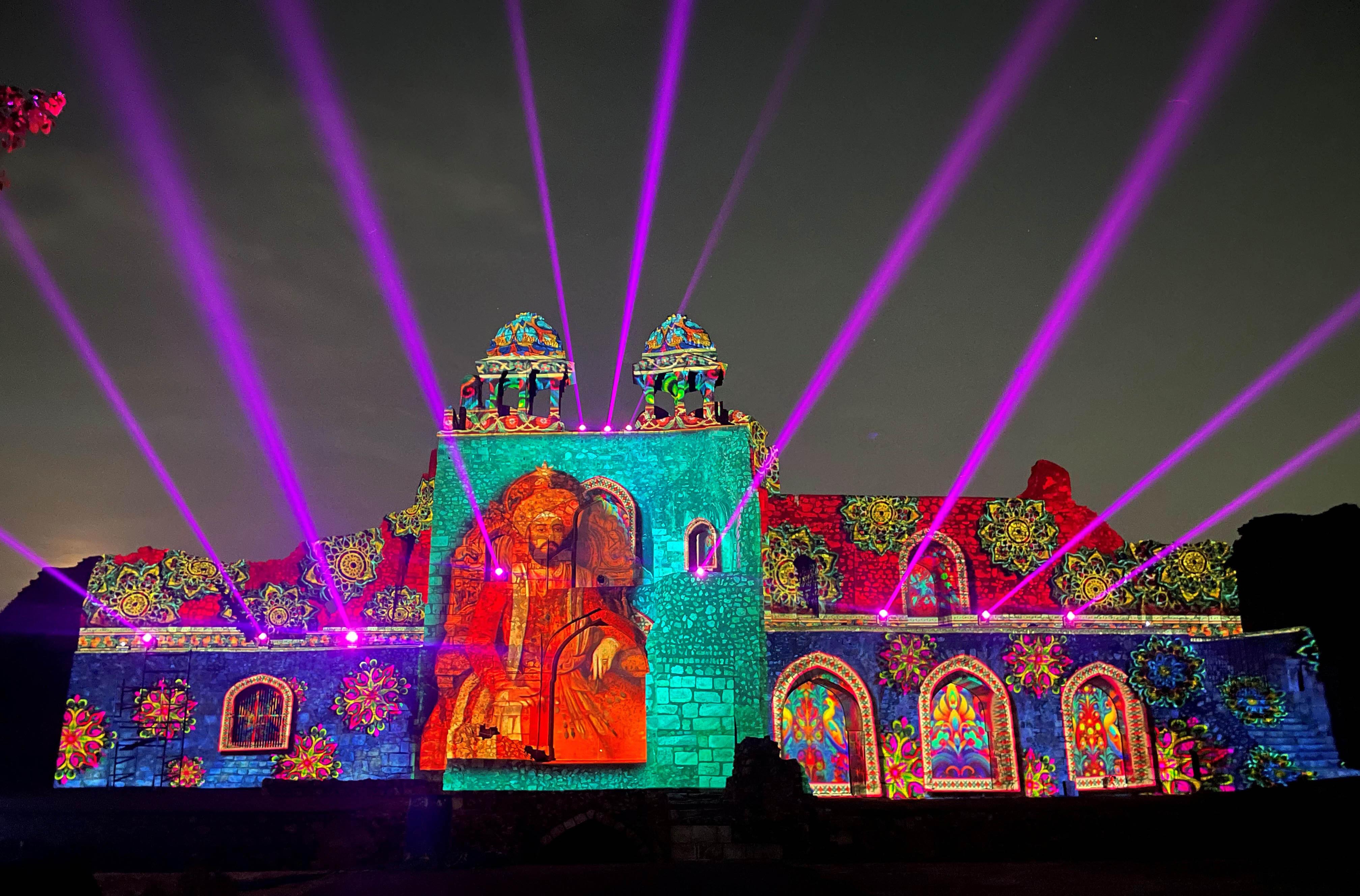
Photo credit: Modern Stage Service
He highlights another landmark deployment at the Smritivan Earthquake Museum in Gujarat. “Nearly 100 Christie 1DLP laser projectors there create compelling visual narratives across eight galleries, from a geo dome simulating the earthquake experience to multimedia walls that honour the region’s history and resilience,” he explains. With high brightness, reliability, and energy efficiency, Nayar believes these solutions allow museums and cultural sites to deliver unforgettable digital experiences while preserving the integrity of treasured landmarks.
Innovation with ease of integration
As projection, direct-view LED, and immersive technologies advance, Christie’s challenge is to keep innovation aligned with integration simplicity. “At Christie, we believe cutting-edge innovation must go hand in hand with practicality and ease of integration,” Nayar says. “That’s why our portfolio spans both projection and direct-view LED, giving customers the flexibility to choose the right solution for their environment.” On the projection side, he highlights RGB pure laser and laser phosphor projectors that deliver outstanding colour performance, reliability, and energy efficiency across cinemas, live events, and immersive attractions.
“Our LED video wall solutions—from the premium MicroTiles LED to Core Series III, Lumia COB, and Vivia SMD—are engineered with features that simplify deployment, including modular designs, front-serviceability, built-in processing, and powerful calibration tools,” he adds. To tie everything together, Nayar points to Christie’s processing platforms: “Our image processing solutions, such as Christie Terra and Spyder, ensure seamless integration into existing workflows. By combining advanced performance with user-friendly design and integration tools, we help our customers deliver powerful visual experiences without adding unnecessary complexity.”
Trends shaping immersive visual solutions
Looking ahead, Nayar sees several powerful trends shaping India’s immersive visual landscape, particularly for cultural tourism and smart cities. “One major trend is the growing demand for energy-efficient and sustainable projection technologies that can produce large-scale, high-resolution visuals while minimising environmental impact,” he says. He cites Christie's latest laser projection systems, such as the Sapphire 4K40-RGBH hybrid laser projector, which are designed with long lifespans and low maintenance to help cultural sites and urban installations run vivid, reliable experiences more sustainably.
“Another trend is the increasing importance of interactive and real-time responsive visual environments, especially for the cultural tourism sector,” Nayar notes. According to him, Christie is responding by integrating advanced media servers and content management software that enable dynamic content adaptation based on visitor movement or environmental changes. “We also expect greater demand for modular and scalable solutions that can be adapted to diverse venue sizes and types, from cultural tourism sites to evolving smart city infrastructures,” he adds, pointing to the Lumia COB and Vivia SMD direct-view LED ranges tailored for the India market and suited to control rooms, hospitality, retail, entertainment, and corporate applications.
Nayar believes the rise of smart cities will further accelerate the convergence of IoT, digital twin technologies, and immersive visual systems. “Christie is committed to building synchronised visual ecosystems that support urban planning, citizen engagement, and environmental monitoring,” he says. “Through initiatives such as InfoComm India 2025, we aim to pioneer solutions that merge aesthetics with functionality, helping cities and cultural destinations stay connected, sustainable, and future-ready.”

See What’s Next in Tech With the Fast Forward Newsletter








Tweets From @varindiamag
Nothing to see here - yet
When they Tweet, their Tweets will show up here.