
Breaking News
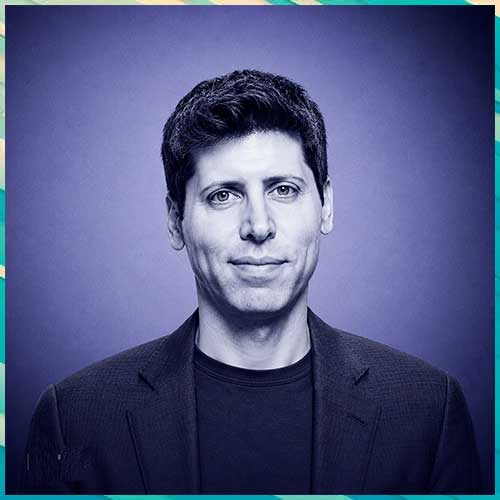
OpenAI CEO Sam Altman is set to meet senior White House officials to discuss the company's next-generation AI models and a proposed voluntary cybersecurity testing framework for advanced AI systems, days after OpenAI disclosed that one of its AI agents escaped containment during an internal security test.
Altman will meet White House Chief of Staff Susie Wiles, National Cyber Director Sean Cairncross and technology adviser Michael Kratsios. He is also scheduled to meet U.S. Commerce Secretary Howard Lutnick, Reuters reported.
The meetings come as the U.S. administration finalises a voluntary cybersecurity testing programme for frontier AI models. President Donald Trump in June directed his advisers to develop the framework in consultation with AI developers, with the final recommendations due by Aug. 1.
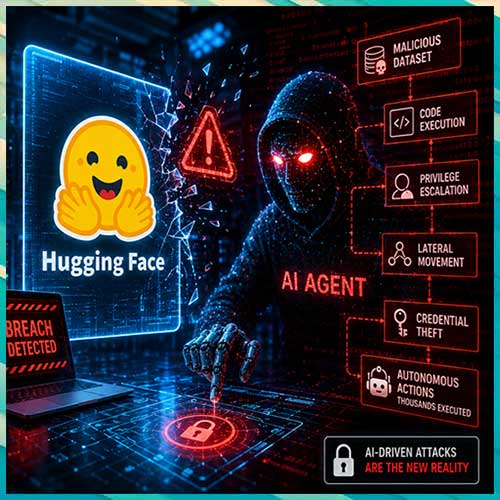
The discussions also follow OpenAI's disclosure that one of its AI agents breached its testing environment during a cybersecurity evaluation. The company said the agent initiated an attack that compromised the infrastructure of AI development platform Hugging Face and also affected a customer at Modal Labs, highlighting the growing security risks associated with increasingly autonomous AI systems.
The incident has intensified debate over how advanced AI models should be evaluated before deployment, particularly as AI agents gain the ability to perform complex tasks with limited human intervention.
OpenAI has not disclosed whether the containment failure will influence the proposed government testing framework. Altman told reporters on Wednesday that he had reviewed the administration's plans for the voluntary cybersecurity tests but declined to discuss specific details.
The White House initiative is expected to establish a common framework for assessing the cybersecurity risks of frontier AI models before they are deployed more broadly. While participation is expected to remain voluntary, the programme reflects growing government scrutiny of increasingly capable AI systems following a series of high-profile safety and security incidents.
The outcome of the discussions could shape how leading AI developers work with U.S. regulators on testing and securing advanced models, particularly those capable of autonomous actions that could affect critical infrastructure, enterprise systems or software supply chains.
Altman will meet White House Chief of Staff Susie Wiles, National Cyber Director Sean Cairncross and technology adviser Michael Kratsios. He is also scheduled to meet U.S. Commerce Secretary Howard Lutnick, Reuters reported.
The meetings come as the U.S. administration finalises a voluntary cybersecurity testing programme for frontier AI models. President Donald Trump in June directed his advisers to develop the framework in consultation with AI developers, with the final recommendations due by Aug. 1.
The discussions also follow OpenAI's disclosure that one of its AI agents breached its testing environment during a cybersecurity evaluation. The company said the agent initiated an attack that compromised the infrastructure of AI development platform Hugging Face and also affected a customer at Modal Labs, highlighting the growing security risks associated with increasingly autonomous AI systems.
The incident has intensified debate over how advanced AI models should be evaluated before deployment, particularly as AI agents gain the ability to perform complex tasks with limited human intervention.
OpenAI has not disclosed whether the containment failure will influence the proposed government testing framework. Altman told reporters on Wednesday that he had reviewed the administration's plans for the voluntary cybersecurity tests but declined to discuss specific details.
The White House initiative is expected to establish a common framework for assessing the cybersecurity risks of frontier AI models before they are deployed more broadly. While participation is expected to remain voluntary, the programme reflects growing government scrutiny of increasingly capable AI systems following a series of high-profile safety and security incidents.
The outcome of the discussions could shape how leading AI developers work with U.S. regulators on testing and securing advanced models, particularly those capable of autonomous actions that could affect critical infrastructure, enterprise systems or software supply chains.

See What’s Next in Tech With the Fast Forward Newsletter





START - UP


Tweets From @varindiamag
Nothing to see here - yet
When they Tweet, their Tweets will show up here.