

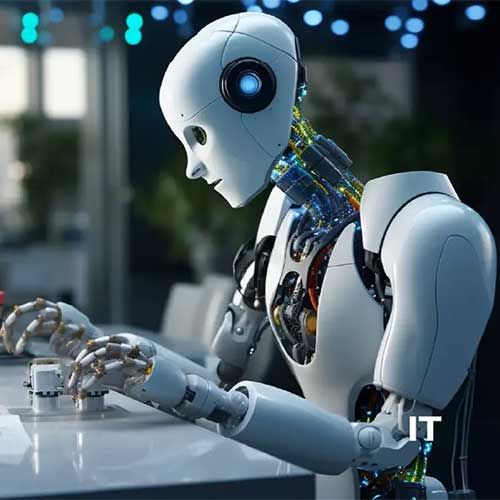
Physical AI and robotics are increasingly bridging the gap between digital intelligence and real-world operations, marking a significant shift in how technology interacts with the physical environment.
Unlike traditional software-driven AI, physical AI enables machines to perceive, learn, and act within real-world settings through sensors, computer vision, and advanced machine learning models.
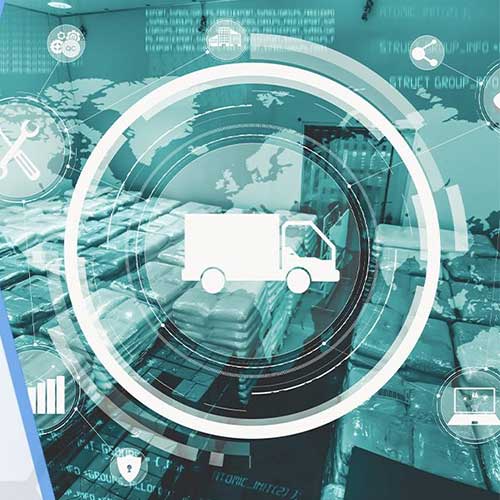
In industries such as manufacturing and logistics, robotics powered by AI are enhancing precision, efficiency, and scalability.
Smart robots can now perform complex tasks such as quality inspection, predictive maintenance, and autonomous material handling with minimal human intervention.
This not only reduces operational costs but also improves safety by taking over hazardous tasks.
In healthcare, physical AI is transforming patient care through robotic-assisted surgeries, rehabilitation devices, and intelligent monitoring systems.
These technologies enable greater accuracy and consistency while supporting medical professionals in delivering better outcomes.
Similarly, in sectors like agriculture, AI-driven robots are being used for planting, harvesting, and crop monitoring, improving productivity and resource optimization.
The integration of physical AI with real-time data and cloud computing is further enabling smarter decision-making and adaptive systems.
As these technologies continue to evolve, organizations are focusing on scalability, reliability, and ethical considerations to ensure responsible deployment.
Overall, physical AI and robotics are no longer futuristic concepts but practical tools driving real-world transformation, enabling businesses to move from automation to true autonomy.

See What’s Next in Tech With the Fast Forward Newsletter








Tweets From @varindiamag
Nothing to see here - yet
When they Tweet, their Tweets will show up here.