



Sony’s new LYTIA 610 image sensor combines a 64-megapixel resolution, advanced autofocus capabilities, and high-speed 4K video recording, aiming to enhance telephoto camera performance and deliver more consistent imaging across smartphone camera systems.
Sony Semiconductor Solutions Corporation has announced the commercial rollout of its latest mobile image sensor, the LYTIA 610, a 64-megapixel stacked CMOS sensor designed to improve image quality, autofocus performance and video recording capabilities in smartphone telephoto cameras.
The company said mass-production shipments of the new sensor are scheduled to begin by the end of June 2026. The LYTIA 610 features a 1/2-inch optical format and introduces Sony’s RB2×2 On-Chip Lens (OCL) technology, making it the first image sensor using this pixel structure to enter mass production.
According to Sony, the sensor has been engineered to address growing demand for higher-resolution imaging and improved camera performance in compact smartphone modules. The new design combines advanced autofocus functionality with enhanced image detail, helping telephoto cameras deliver sharper and more accurate results.

New pixel architecture targets better imaging performance
A key highlight of the LYTIA 610 is its RB2×2 OCL pixel structure, which integrates different lens arrangements within a Quad Bayer colour filter pattern. Sony said the architecture enables the sensor to balance high-resolution image capture with effective phase-detection autofocus performance.
The sensor also incorporates a dedicated remosaicing algorithm designed specifically for the new pixel arrangement. This processing technology reconstructs image data more efficiently, resulting in improved image sharpness and detail.
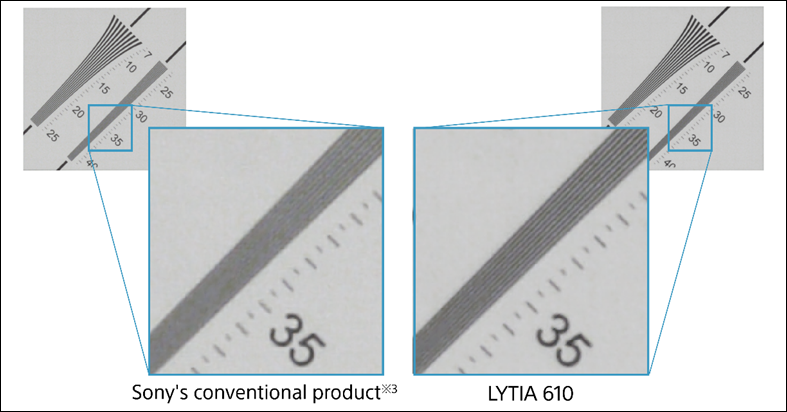
Sony claims the new sensor delivers a 20% increase in spatial resolution compared with its previous sensor featuring the same pixel size. The improvement is expected to benefit smartphone telephoto cameras, which often face challenges in maintaining image quality while operating within limited space constraints.
Faster readout enables advanced video features
Beyond still photography, the LYTIA 610 has been designed to enhance mobile video performance. Sony said improvements in logic circuitry and analog-to-digital conversion technology have doubled the sensor’s readout speed compared with its earlier 1/2-inch sensors.
The faster processing capability allows support for 4K video recording at 120 frames per second, a feature Sony says is being introduced for the first time in a sensor of this size. The capability enables smoother capture of fast-moving subjects and provides greater flexibility for creating slow-motion video content.
The sensor also supports 4K HDR video recording at 60 frames per second, helping users capture scenes with significant variations in brightness and contrast.
With smartphone manufacturers increasingly focusing on delivering a seamless multi-camera experience, Sony believes the LYTIA 610 can help reduce differences in image quality between primary and telephoto cameras. The company said the sensor’s combination of high resolution, autofocus precision and video capabilities is intended to support next-generation mobile imaging systems as demand for advanced smartphone photography continues to grow.

See What’s Next in Tech With the Fast Forward Newsletter









Tweets From @varindiamag
Nothing to see here - yet
When they Tweet, their Tweets will show up here.