
The Hidden Risks of Growing AI Dependence
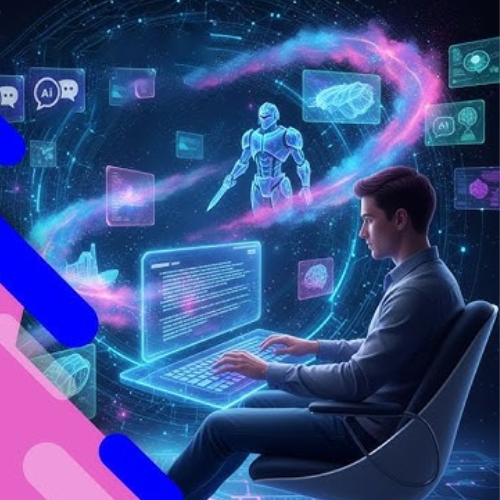
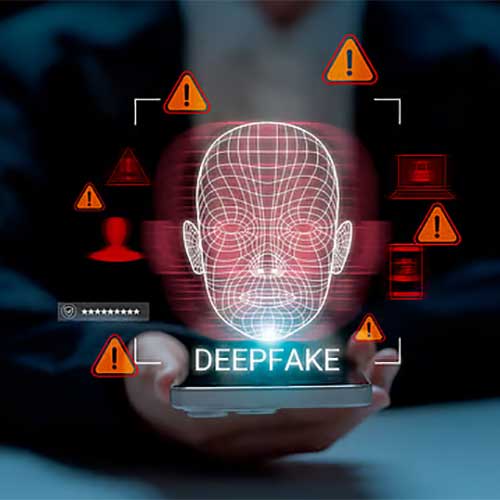
Deepfake-related fraud has surged by more than 2,000% in the past three years, costing individuals and businesses millions through sophisticated impersonation scams.
As artificial intelligence becomes deeply embedded in daily life, experts are warning that its misuse can create serious risks—ranging from financial fraud and hiring bias to psychological harm and declining creativity.
“AI is a powerful tool, but only if we remember it is just —a tool,” notes an industry expert. It is neither a companion nor an infallible source of truth. If Used carelessly, AI can erode education, weaken creative thinking, and cause real-world damage.
While automation can free time and resources, not all decisions should be handed over to machines.
One of the fastest-growing threats is AI-powered deepfake fraud. Beyond fake videos, criminals now clone voices, draft convincing emails, and generate realistic letters from “banks” or “lawyers,” fooling even experienced professionals. Verified payment systems, digital watermarking, and liveness checks are critical defenses.
AI is also reshaping recruitment in troubling ways. Candidates use AI to refine résumés, while employers use AI to screen them, resulting in
machines judging machines. Human review and bias audits are essential to avoid excluding genuine talent.
Meanwhile, AI chatbots are increasingly used for emotional support, despite lacking true emotional intelligence. Over-reliance on such systems—and on generative AI in education—risks harming mental well-being and critical thinking. Responsible use, human oversight, and adaptive regulation are now essential.

See What’s Next in Tech With the Fast Forward Newsletter






Tweets From @varindiamag
Nothing to see here - yet
When they Tweet, their Tweets will show up here.