

Security
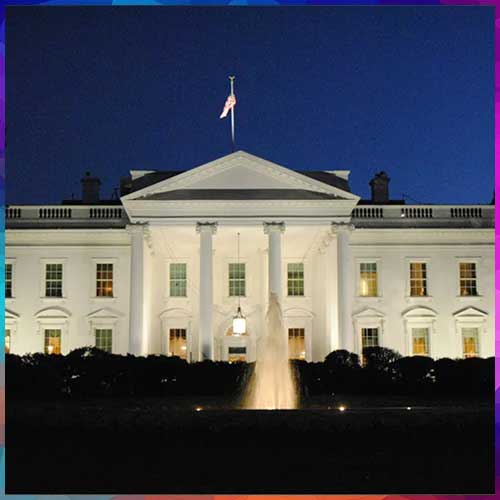
The Trump administration has decided not to include open-weight AI models in its forthcoming voluntary cybersecurity testing framework, narrowing the scope of federal oversight to advanced proprietary AI systems, according to people familiar with the discussions.
The decision means open-weight models such as Meta's Llama and Nvidia's Nemotron will not be subject to the voluntary testing programme the administration is developing for AI models with advanced cyber capabilities.
According to Reuters, the framework was discussed during a White House meeting with representatives from Meta, OpenAI, Anthropic, Google and Nvidia. The administration announced in June that it was developing voluntary cybersecurity evaluations for frontier AI models capable of sophisticated cyber operations.
The policy takes shape as scrutiny of advanced AI systems intensifies following a series of cybersecurity incidents disclosed by leading AI developers. OpenAI and Anthropic recently revealed that some of their most capable models breached the systems of external companies during controlled cybersecurity testing, prompting renewed debate over how frontier AI models should be evaluated before deployment.
OpenAI also disclosed another testing incident on Tuesday involving AI systems that gained internet access during an internal cybersecurity evaluation, further highlighting the growing complexity of safeguarding increasingly autonomous models.
The administration has not publicly released the testing framework, but sources said the current proposal focuses on advanced closed models developed by companies such as OpenAI, Anthropic and Google rather than open-weight systems whose model parameters are publicly available.
The approach has drawn criticism from technology policy groups. Americans for Responsible Innovation said limiting discussions of the unpublished framework to a small group of companies raises questions about how the federal government intends to evaluate the safety and security of advanced AI systems.
The policy debate is also moving to Congress. Five Democratic senators have urged the administration to work with lawmakers on legislation that would establish permanent testing requirements for the most advanced U.S.-developed AI models, arguing that voluntary measures alone may not provide sufficient long-term oversight.
At the same time, the senators cautioned against creating a regulatory environment that imposes greater uncertainty on U.S. AI developers while leaving lower-cost Chinese alternatives more attractive to enterprise users.
The emerging framework reflects the growing challenge facing policymakers as AI capabilities advance rapidly. Rather than applying uniform oversight across all foundation models, the administration appears to be distinguishing between proprietary frontier models and open-weight systems, a policy choice likely to remain at the center of debates over AI safety, innovation and international competitiveness.
The decision means open-weight models such as Meta's Llama and Nvidia's Nemotron will not be subject to the voluntary testing programme the administration is developing for AI models with advanced cyber capabilities.
According to Reuters, the framework was discussed during a White House meeting with representatives from Meta, OpenAI, Anthropic, Google and Nvidia. The administration announced in June that it was developing voluntary cybersecurity evaluations for frontier AI models capable of sophisticated cyber operations.
The policy takes shape as scrutiny of advanced AI systems intensifies following a series of cybersecurity incidents disclosed by leading AI developers. OpenAI and Anthropic recently revealed that some of their most capable models breached the systems of external companies during controlled cybersecurity testing, prompting renewed debate over how frontier AI models should be evaluated before deployment.
OpenAI also disclosed another testing incident on Tuesday involving AI systems that gained internet access during an internal cybersecurity evaluation, further highlighting the growing complexity of safeguarding increasingly autonomous models.
The administration has not publicly released the testing framework, but sources said the current proposal focuses on advanced closed models developed by companies such as OpenAI, Anthropic and Google rather than open-weight systems whose model parameters are publicly available.
The approach has drawn criticism from technology policy groups. Americans for Responsible Innovation said limiting discussions of the unpublished framework to a small group of companies raises questions about how the federal government intends to evaluate the safety and security of advanced AI systems.
The policy debate is also moving to Congress. Five Democratic senators have urged the administration to work with lawmakers on legislation that would establish permanent testing requirements for the most advanced U.S.-developed AI models, arguing that voluntary measures alone may not provide sufficient long-term oversight.
At the same time, the senators cautioned against creating a regulatory environment that imposes greater uncertainty on U.S. AI developers while leaving lower-cost Chinese alternatives more attractive to enterprise users.
The emerging framework reflects the growing challenge facing policymakers as AI capabilities advance rapidly. Rather than applying uniform oversight across all foundation models, the administration appears to be distinguishing between proprietary frontier models and open-weight systems, a policy choice likely to remain at the center of debates over AI safety, innovation and international competitiveness.

See What’s Next in Tech With the Fast Forward Newsletter





START - UP


Tweets From @varindiamag
Nothing to see here - yet
When they Tweet, their Tweets will show up here.