


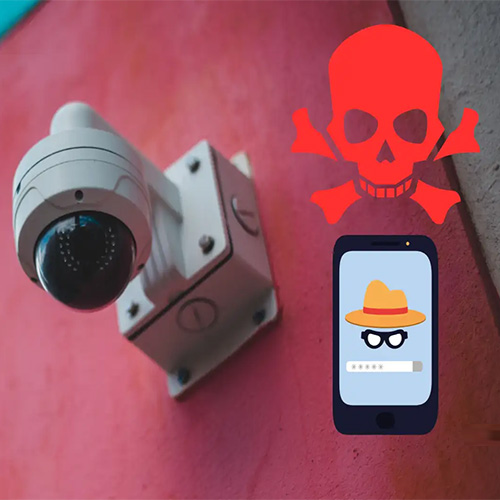
A shocking cybercrime scandal has exposed the darkest side of India’s digital transformation. Hackers breached a hospital’s CCTV network using nothing more than a default admin password, gaining unrestricted access to live surveillance feeds. What followed was horrifying — intimate footage of women undergoing gynecological examinations was stolen, sold, and circulated across global fetish networks, reducing private medical moments to digital commodities.
The stolen clips were traced to YouTube channels such as “Megha Mbbs” and “cp monda”, and sold on Telegram for ₹700–₹4,000 per video. Far from an isolated incident, this was part of a massive exploitation network stretching across 20 Indian states, compromising over 80 CCTV dashboards in hospitals, schools, factories, and private homes. More than 50,000 clips were leaked between January and December 2024, before arrests began in early 2025. The content continued circulating on the dark web and Telegram until mid-2025, proving how impossible it is to erase data once it escapes into the digital underworld.
This breach represents a systemic collapse of cyber hygiene in India. The hackers exploited elementary weaknesses — default passwords, outdated firmware, and lack of encryption or network segmentation. Despite the Digital Personal Data Protection Act (DPDP 2023), most small institutions, including healthcare facilities, still fail to implement privacy-by-design frameworks or regular cybersecurity audits. Convenience — remote viewing, cloud storage, and easy integration — has repeatedly been prioritized over patient safety and data protection.
The healthcare sector has become a prime target due to legacy IT infrastructure, outsourced camera management, and absence of data protection officers. Hospitals and clinics rarely assess digital risk exposure, leaving security systems to third-party vendors with minimal accountability. The result is a new form of digital exploitation — one that violates both medical ethics and human dignity.
This scandal goes beyond traditional hacking. It signals the rise of digital sexual exploitation at scale, where women’s privacy becomes a tradable asset in a data black market. Cameras installed for security were turned into surveillance tools of abuse. For the victims, the trauma is lifelong — their most private experiences were not only violated but systemically monetized.
India’s regulatory gaps have amplified the crisis. There are no mandatory CCTV security standards, no national registry of surveillance systems, and limited enforcement of encryption or compliance audits. Legal provisions exist under the IT Act, DPDP Act, and Indian Penal Code, but enforcement remains largely reactionary. Regional law enforcement units lack the forensic and technical expertise to investigate cross-border data crimes effectively.
Digital platforms have also failed to act responsibly. YouTube, Telegram, and dark web forums became conduits for exploitation, with illegal content staying live for months before removal. The use of AI algorithms for automated tagging, facial recognition, and reposting of banned content created a self-perpetuating cycle. Each takedown spawned multiple reuploads, making the content almost indestructible online.
The path forward demands platform accountability and AI-powered content tracing. India must adopt watermark tracking, deepfake detection, and content authentication frameworks as core parts of its digital governance policy. Every platform hosting user-generated content should be mandated to use AI-based detection for explicit or synthetic media violations.
However, technology alone cannot solve this moral and institutional crisis. Privacy must be recognized as a pillar of medical ethics. Medical colleges should introduce “Digital Privacy and Cyber Hygiene” as part of the syllabus, and hospitals must treat cybersecurity as integral to patient care. Annual cyber audits, multi-factor authentication, and sensitive data classification under DPDP law are essential first steps toward accountability.
Ultimately, this scandal is a mirror reflecting India’s fragile digital foundations. As the country accelerates toward smart cities, AI adoption, and digital healthcare, privacy cannot remain an afterthought. Every unguarded camera, every unsecured byte, is a potential weapon. Cybersecurity is not just about systems — it is about safeguarding human dignity. Until institutions treat privacy as a moral responsibility, India’s digital progress will remain haunted by its own neglect.

See What’s Next in Tech With the Fast Forward Newsletter








Tweets From @varindiamag
Nothing to see here - yet
When they Tweet, their Tweets will show up here.