


Explosive AI-driven demand is reshaping the global memory market, with data centers expected to absorb most supply in 2026, pushing up costs and threatening production across automotive, consumer electronics, and smartphone industries.
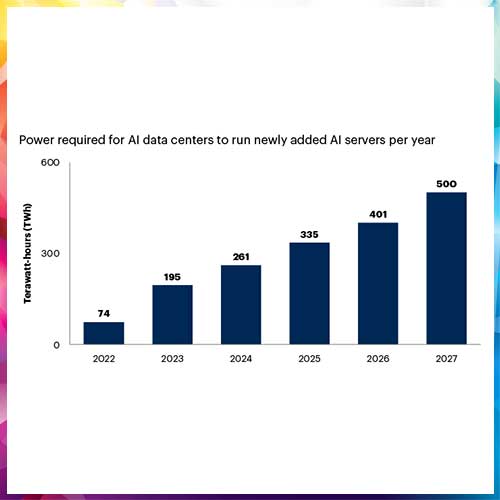
The rapid expansion of artificial intelligence infrastructure is triggering a severe global memory crunch that could ripple far beyond the technology sector, affecting everything from cars and televisions to household appliances. Industry estimates suggest that data centers may consume as much as 70% of the world’s memory output in 2026, fundamentally altering supply dynamics.
As AI workloads demand ever-larger volumes of advanced memory, manufacturers are reallocating capacity away from legacy products. This shift, analysts warn, is beginning to squeeze industries that rely on older, lower-margin memory components—sectors that until now have largely escaped the AI spotlight.
Consumer and auto industries face supply shocks
According to recent industry analysis highlighted by global business media, the memory shortage is set to hit automotive manufacturing and consumer electronics in a manner reminiscent of the production disruptions seen during the Covid-19 pandemic. Although vehicles, TVs and home electronics typically use mature memory technologies, chipmakers have reduced or shut down production of these older components to focus on more lucrative AI-related products.
Market researchers note that securing long-term memory supply has already become highly competitive, with manufacturers locking in capacity several years in advance. As a result, products such as smartphones, televisions, Bluetooth speakers and even smart home appliances could see sharp price increases or production delays if memory costs continue to climb.
Rising costs and shrinking device shipments
Analysts warn that memory, traditionally a small fraction of device costs, could soon account for a significantly larger share of overall bills of materials. In smartphones, memory could represent nearly a third of component costs, putting pressure on already thin margins and increasing the likelihood of higher consumer prices.
Research firms have begun adjusting forecasts in response. IDC has already lowered its outlook for 2026, projecting declines in both smartphone and PC shipments as memory constraints tighten. Other analysts describe the situation as a long-term structural shift rather than a short-term cycle, with supplier capacity being permanently redirected toward AI data centers.
Veteran industry watchers say the current disruption is unlike anything seen before, underscoring how AI is not only transforming computing—but reshaping global manufacturing economics.

See What’s Next in Tech With the Fast Forward Newsletter









Tweets From @varindiamag
Nothing to see here - yet
When they Tweet, their Tweets will show up here.