
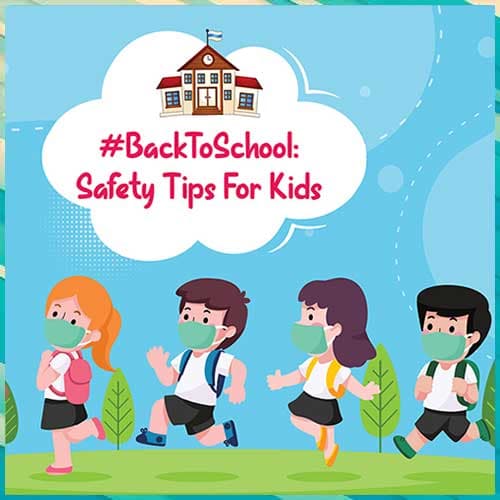
As children head back to school, parents are relying more than ever on technology to keep them safe. Around 80% of parents now track their child's location, while geofencing, SOS apps, code words, and emergency alerts have become part of modern parenting. However, experts warn that technology alone cannot replace practical safety skills.
In an emergency, frightened children often struggle to explain where they are or what is happening. A one-tap SOS button can instantly send a child's location-and, on supported apps, a short audio recording-to trusted contacts, reducing the need for verbal communication during moments of panic.
Parents should also be mindful of what they share online. Photos of children with visible school logos, house numbers, or identifiable landmarks can unintentionally reveal their location to strangers. Sharing only a first name and avoiding location clues significantly reduces digital risks.
Another overlooked safety measure is ensuring children know how to contact their parents. Research suggests many children—and even adults—struggle to recall phone numbers under stress. Teaching phone numbers through songs, repetition, and hand gestures can improve memory retention. Parents should also store emergency contacts, medical information, allergies, and medications in the phone's Medical ID, which remains accessible even when the device is locked.
Safety planning should extend beyond school pickup arrangements. Even when another trusted adult collects a child, parents should verify that the child follows the expected route and arrives safely. Schools should maintain updated authorized pickup lists, while parents should continue monitoring location when appropriate.
Technology is an important layer of child safety, but it should complement - not replace-basic preparedness. The most effective safety strategy combines practical life skills, digital awareness, emergency planning, and responsible use of technology. Before investing in more apps and gadgets, parents should ensure their children know the fundamentals: how to call for help, remember key contact information, recognize unsafe situations, and respond confidently during emergencies. In child safety, preparation and awareness remain the strongest protection.